
The Silent Skeletal Crisis of Sedentary Living
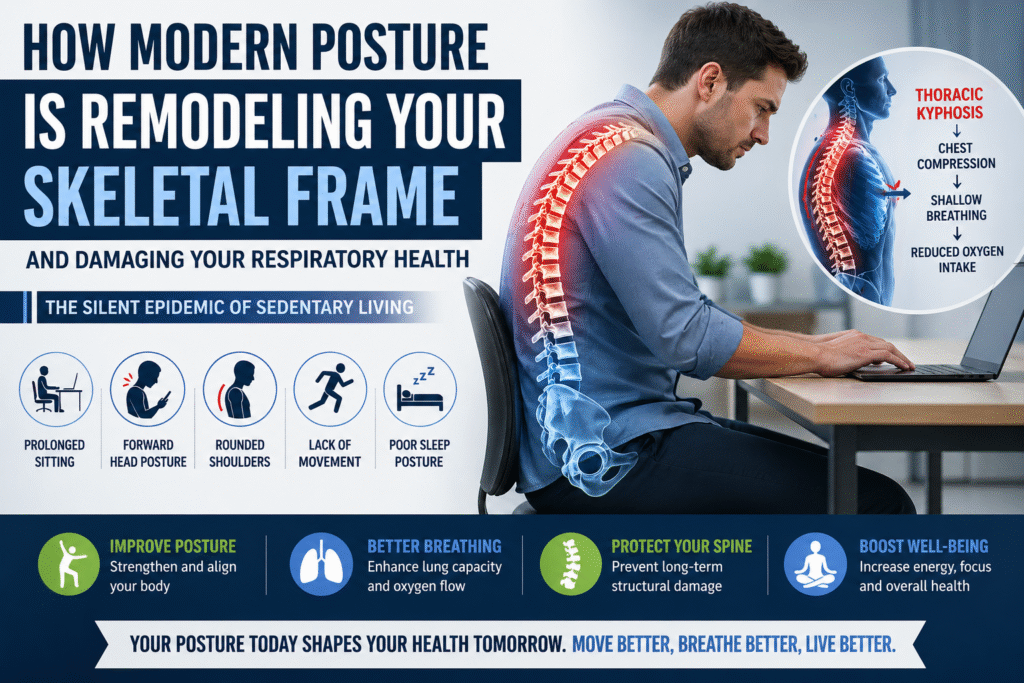
Modern lifestyles are quietly reshaping the human body. Long hours of sitting, screen use, and poor ergonomic habits are gradually altering spinal structure. Consequently, physical inactivity does far more than weaken muscles. It actively transforms skeletal alignment, compromises lung expansion, and accelerates long-term health decline.
Today’s digital routines encourage unnatural body positioning. Over time, these repetitive habits trigger significant postural dysfunction. As a result, millions experience spinal remodeling without recognizing the serious physiological consequences.
How Sedentary Habits Physically Reshape the Skeletal Frame
The human skeleton adapts continuously to repeated mechanical stress. Therefore, poor posture becomes structurally embedded over time.
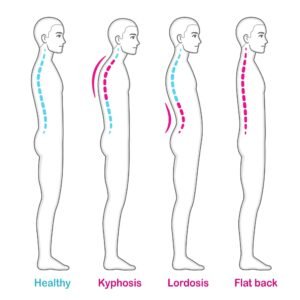
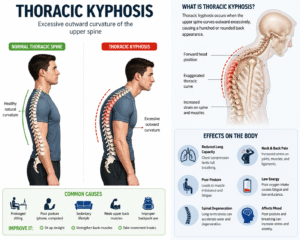
Extended sitting, forward head posture, and slouched shoulders force the spine into unnatural curves. Eventually, muscles supporting healthy alignment weaken, while others become chronically tight. This imbalance leads to lasting skeletal changes, including:
- Increased thoracic kyphosis
- Forward head displacement
- Rounded shoulders
- Pelvic misalignment
- Reduced spinal flexibility
As these structural distortions progress, the body becomes more rigid. Moreover, spinal joints lose mobility, reducing natural movement efficiency. This process physically remodels the frame into a compressed, dysfunctional posture.
Thoracic Kyphosis and Its Dangerous Impact on Breathing
Thoracic kyphosis refers to excessive outward curvature of the upper spine. While mild curvature is natural, modern posture often exaggerates this curve significantly.
When the thoracic spine rounds excessively, the rib cage compresses. Consequently, lung capacity decreases because the chest cannot fully expand. This restriction leads to shallow breathing patterns, reduced oxygen intake, and chronic respiratory inefficiency.
Shallow breathing creates several physiological risks:
- Lower oxygen delivery to tissues
- Increased fatigue
- Heightened anxiety
- Reduced endurance
- Poor diaphragm activation
Furthermore, compromised breathing places additional strain on cardiovascular systems. Therefore, postural dysfunction becomes both a skeletal and respiratory emergency.
[smartslider3 slider=”20″]
The Five Structural Habits Destroying Spinal Health
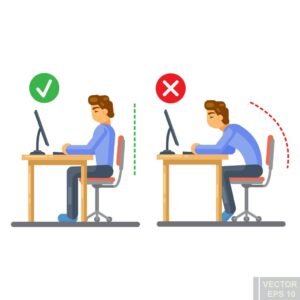
1. Prolonged Sitting
Sitting for extended periods weakens core stabilizers and shortens hip flexors. As a result, spinal compression increases dramatically.
2. Forward Head Posture
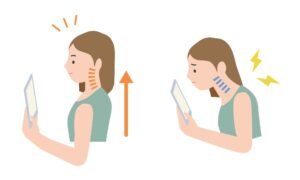
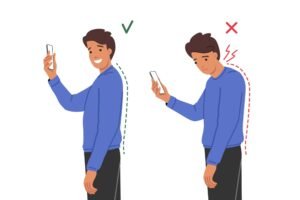
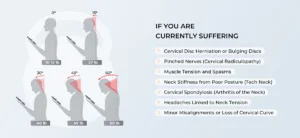
Constant smartphone and laptop use encourages neck protrusion. Consequently, cervical strain intensifies while upper spinal alignment deteriorates.
3. Rounded Shoulder Position
Desk work often collapses shoulder posture inward. This habit tightens chest muscles and weakens upper back support.
4. Lack of Functional Movement
Minimal physical activity reduces spinal mobility. Therefore, connective tissues stiffen and adaptive skeletal dysfunction accelerates.
5. Poor Sleep and Resting Posture
Improper sleeping positions reinforce structural imbalances overnight. Over time, spinal recovery becomes increasingly limited.
Together, these five habits gradually reshape the musculoskeletal system. More importantly, they create a rigid body pattern that undermines both movement and respiration.

Why Poor Posture Is a Growing Respiratory Emergency
Respiratory health depends heavily on mechanical efficiency. However, modern postural collapse restricts this essential function.
When skeletal misalignment limits rib cage movement, oxygen intake declines. Consequently, chronic under-breathing may become normalized. Unfortunately, this silent dysfunction often remains undiagnosed.
Poor posture contributes to:
- Chronic breathlessness
- Reduced athletic performance
- Elevated stress hormone production
- Muscular tension
- Increased vulnerability to pulmonary dysfunction
Thus, modern spinal decline extends far beyond aesthetics. It directly threatens long-term physiological resilience.
Correcting Postural Remodeling Before Permanent Damage
Fortunately, skeletal deterioration can often be slowed or reversed with consistent intervention.
Key strategies include:
- Daily mobility exercises
- Strengthening postural muscles
- Ergonomic workstation improvements
- Regular standing breaks
- Diaphragmatic breathing practice

Additionally, movement-based rehabilitation restores spinal flexibility while improving oxygen efficiency. Therefore, proactive correction remains essential for preserving structural and respiratory health.
Final Thoughts on Digital-Age Posture Decline
Modern posture is fundamentally changing human physiology. Sedentary habits, poor spinal mechanics, and shallow breathing patterns are creating widespread structural dysfunction.
Without intervention, these habits physically remodel the body into a less mobile, oxygen-restricted form. However, awareness and corrective action can protect both skeletal integrity and respiratory function.
Ultimately, spinal health is no longer just an orthopedic concern. It is a critical pillar of long-term human vitality.
[smartslider3 slider=”20″]