
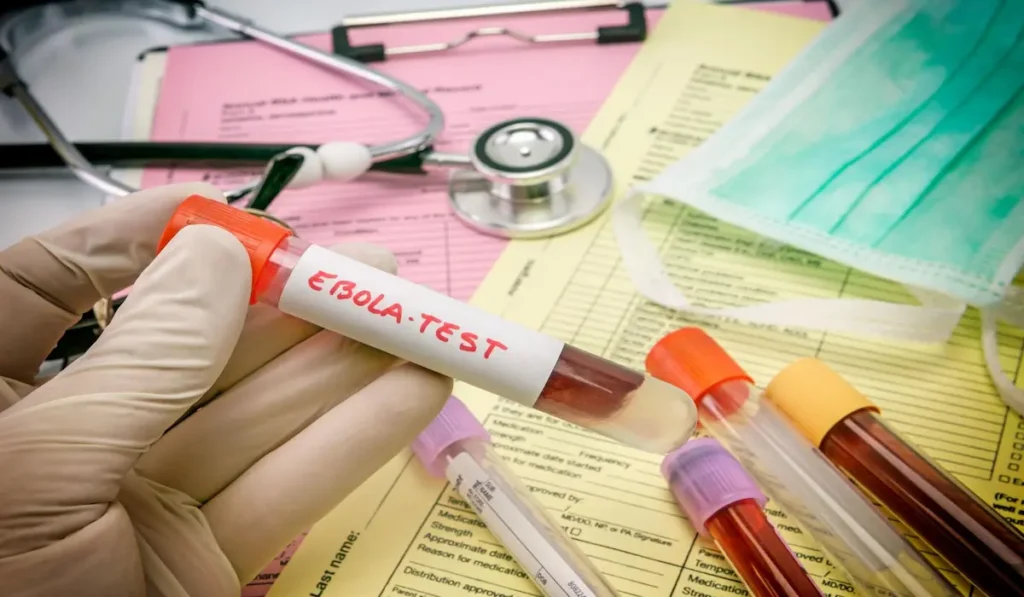
The Ebola virus remains one of the world’s most feared infectious diseases. Even years after major outbreaks shocked the global community, health experts continue to monitor the virus closely due to its high fatality rate and the risk of sudden outbreaks in vulnerable regions.
Recently, renewed discussions around Ebola preparedness, vaccination strategies, and emergency response systems have once again brought the deadly virus into international focus. While modern medicine has improved the chances of survival, experts warn that Ebola still poses a serious public health threat if not detected and controlled quickly.

What is Ebola Virus Disease?
Ebola Virus Disease (EVD), commonly known as Ebola, is a severe and often fatal illness caused by infection with the Ebola virus. The disease was first identified in 1976 near the Ebola River in what is now the Democratic Republic of Congo.
The virus belongs to a family of pathogens that can cause hemorrhagic fever — a condition that damages blood vessels and affects multiple organs in the body.
According to health authorities, Ebola spreads through direct contact with the blood, body fluids, or tissues of infected humans or animals. It can also spread through contaminated surfaces, medical equipment, or unsafe burial practices.
Symptoms Can Become Severe Quickly
One of the major concerns with Ebola infection is how rapidly symptoms can worsen. In the early stages, the illness may appear similar to common viral infections, making early diagnosis difficult.
Common symptoms include:
- Sudden high fever
- Severe weakness and fatigue
- Headache and muscle pain
- Sore throat
- Vomiting and diarrhea
- Abdominal pain
- Unexplained bleeding or bruising in severe cases
Experts say symptoms usually appear between 2 and 21 days after exposure to the virus.
As the disease progresses, patients may experience internal bleeding, organ failure, and shock. Without timely treatment and supportive care, the infection can become life-threatening.
Why Ebola Outbreaks Create Global Concern
Unlike many common viral illnesses, Ebola has an extremely high fatality rate in some outbreaks. In certain regions, mortality rates have reached up to 50% or even higher.
Large outbreaks in West Africa between 2014 and 2016 caused widespread panic and overwhelmed healthcare systems. Thousands of people lost their lives, while medical workers faced enormous risks treating infected patients.
Health experts warn that countries with weak healthcare infrastructure are especially vulnerable because Ebola spreads quickly when infection control measures are delayed.
Another major concern is international travel. Although outbreaks are often localized, infected travelers can carry the virus across borders before symptoms become obvious.
Scientists Have Made Progress
Despite the dangers, significant advances have been made in Ebola prevention and treatment over the past decade.
Vaccines developed during recent outbreaks have shown promising results in reducing transmission. Emergency vaccination campaigns have helped contain infections in several African countries.
Researchers have also developed antibody-based treatments that improve survival rates when given early. Improved laboratory testing and faster outbreak response systems are helping health agencies identify cases more efficiently.
Still, experts caution that no country can afford to become complacent. Continuous surveillance and emergency preparedness remain essential.
The Role of Public Awareness
Public awareness plays a major role in controlling Ebola outbreaks. During previous epidemics, misinformation and fear often made the situation worse.
Health officials stress the importance of hygiene, early reporting of symptoms, and avoiding direct contact with infected individuals. Healthcare workers are also trained to use protective equipment to reduce transmission risks.
In affected regions, community education programs are considered critical because cultural practices and distrust of healthcare systems can sometimes delay treatment efforts.

Could Another Outbreak Happen?
Experts say sporadic Ebola outbreaks are still possible, especially in parts of Central and West Africa where the virus is believed to circulate naturally in animals such as fruit bats.
Climate change, increased human-wildlife interaction, and population movement may also influence future outbreak risks.
However, global health organizations now have more experience handling Ebola emergencies than they did a decade ago. Rapid response teams, international coordination, and vaccine stockpiles have strengthened preparedness in many regions.
Why the World Still Watches Ebola Closely
Although diseases like COVID-19 shifted global attention in recent years, Ebola continues to be classified as a high-priority infectious threat by international health agencies.
The virus serves as a reminder of how quickly infectious diseases can challenge healthcare systems and economies. Experts believe ongoing investment in disease surveillance, research, and healthcare infrastructure will be critical in preventing future crises.
For now, medical professionals emphasize that awareness, early detection, and fast public health action remain the strongest weapons against Ebola.
Disclaimer
This article is based on publicly available health information, medical reports, and expert commentary. It is intended for general awareness only and should not be considered medical advice. For diagnosis, treatment, or travel-related health concerns, consult qualified healthcare professionals or official public health authorities.