
Introduction
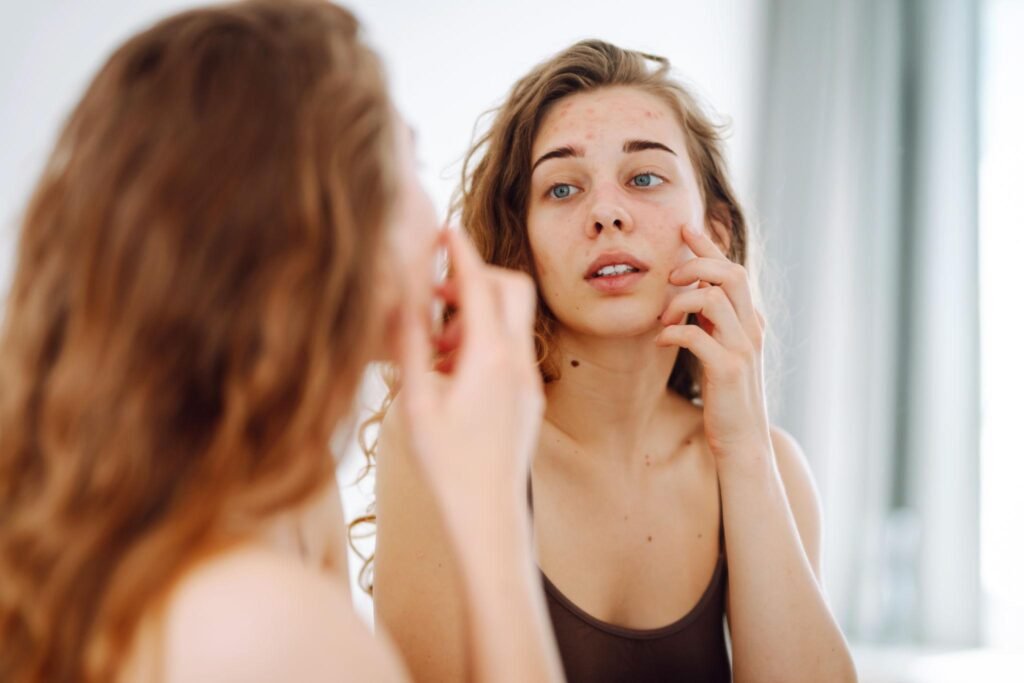
Hormonal contraception does more than prevent pregnancy. It also influences hormones that control oil production, inflammation, and skin balance. While some contraceptives help clear acne, others may trigger stubborn breakouts and oily skin. Therefore, understanding the connection between birth control and skin health becomes essential for women dealing with hormonal acne.
Many women notice sudden changes in their skin after starting or stopping contraceptives. Some experience clearer and smoother skin. However, others develop painful cystic acne, especially around the jawline and chin. Because every body reacts differently, choosing the right contraceptive method requires careful consideration.
This guide explains how contraception affects skin health, which methods may improve acne, and how women can maintain healthy skin while protecting long-term hormonal wellness.
Understanding the Relationship Between Hormones and Acne
Hormones play a major role in skin health. They control oil production, inflammation, and sebaceous gland activity. Therefore, even small hormonal changes can affect the skin dramatically.

How Androgens Increase Acne Formation
Androgens are hormones that stimulate oil glands in the skin. When androgen levels rise, sebaceous glands produce more oil. Excess oil then mixes with dead skin cells and bacteria. Consequently, clogged pores and acne breakouts develop.
Women often experience hormonal acne during:
- Puberty
- Menstrual cycles
- Pregnancy
- Menopause
- Polycystic ovary syndrome (PCOS)
- Hormonal contraceptive use
Why Hormonal Fluctuations Trigger Breakouts
Hormonal changes increase inflammation inside the skin. As a result, acne becomes red, swollen, and painful. Hormonal breakouts commonly appear around the chin, jawline, and lower cheeks.
Stress, poor sleep, and unhealthy diets may worsen these hormonal changes further.
How Hormonal Contraceptives Affect Skin Health
Hormonal contraceptives contain synthetic hormones that alter reproductive and hormonal functions. These hormones can either improve acne or worsen it depending on the formulation.
Role of Estrogen in Skin Improvement
Estrogen generally helps reduce acne. It lowers androgen activity and decreases excess oil production. Therefore, many women notice clearer skin after starting combined birth control pills.
Benefits of estrogen-containing contraceptives may include:
- Reduced oily skin
- Fewer acne breakouts
- Smaller pores
- Improved skin texture
- Less inflammation
How Progestins Can Worsen Acne

Not all progestins behave the same way. Some progestins have androgenic effects similar to testosterone. Consequently, they may increase oil production and trigger severe acne.
Common skin problems linked to androgenic progestins include:
- Cystic acne
- Oily skin
- Enlarged pores
- Jawline breakouts
- Painful inflammatory pimples

Combined Oral Contraceptive Pills and Acne Control
Combined oral contraceptive pills contain both estrogen and progestin. These pills often help women with hormonal acne because they suppress androgen activity.
How Combined Pills Improve Acne
Combined pills work by regulating hormonal fluctuations and reducing oil production. As a result, pores become less clogged and inflammation decreases.
Women may notice improvements such as:
- Reduced cystic acne
- Less oily skin
- Smoother texture
- Fewer hormonal flare-ups
Who May Benefit From Combined Pills
Women with the following conditions often benefit from combined contraceptive pills:
- Adult female acne
- PCOS-related acne
- Menstrual breakouts
- Excessively oily skin
However, these pills may not suit everyone. Women with blood clotting disorders, smoking habits, or migraines should consult healthcare professionals before use.
https://sovrn.co/1k7lele
Progestin-Only Pills and Acne Risks
Progestin-only contraceptives contain no estrogen. Therefore, they may not provide acne-clearing benefits.
Why Some Progestin-Only Pills Trigger Acne
Certain progestins increase androgenic activity. Consequently, the skin produces more oil and becomes acne-prone.
Women may develop:
- Deep cystic acne
- Red inflamed pimples
- Oily forehead and cheeks
- Persistent jawline breakouts
Monitoring Skin Changes Carefully
Every woman reacts differently to hormonal contraception. Therefore, monitoring skin condition during the first few months becomes important.
If severe acne develops, professional medical advice may help identify better alternatives.
Hormonal IUDs and Their Effect on Skin
Hormonal intrauterine devices release levonorgestrel into the body. Although hormone levels remain relatively low, the skin may still react strongly.
How Hormonal IUDs Cause Acne
Levonorgestrel has androgenic properties. As a result, some women develop inflammatory acne after insertion.
Common symptoms include:
- Chin acne
- Jawline cysts
- Oily skin
- Enlarged pores
Managing Hormonal IUD-Related Acne
Women may reduce flare-ups through:
- Gentle skincare routines
- Anti-inflammatory diets
- Adequate hydration
- Stress reduction
- Dermatologist-guided treatment
Contraceptive Implants and Injectable Birth Control
Long-term contraceptive methods also influence skin health.
Skin Problems Linked to Implants and Injections
Some women experience sudden acne flare-ups after starting implants or injectable contraceptives.
Common side effects include:
- Hormonal acne
- Increased oil production
- Uneven texture
- Pigmentation changes
Hormonal Recovery After Stopping Contraceptives
The body may require several months to restore natural hormonal balance after stopping hormonal birth control.
During this adjustment phase, temporary acne flare-ups may occur.

Diet and Lifestyle Factors That Influence Hormonal Acne

Contraceptives are not the only factors affecting skin health. Lifestyle habits also influence hormonal balance and inflammation.
Foods That May Worsen Acne
Highly processed foods may increase insulin spikes and inflammation. Consequently, acne symptoms may worsen.
Common trigger foods include:
- Sugary snacks
- Refined carbohydrates
- Fast food
- Excess dairy products
Foods That Support Healthy Skin
An anti-inflammatory diet may improve hormonal balance naturally.
Helpful foods include:
- Leafy vegetables
- Omega-3-rich fish
- Berries
- Nuts and seeds
- Whole grains
- Green tea
How Stress and Sleep Affect Acne
Stress increases cortisol levels, which stimulate oil production and inflammation. Poor sleep also disrupts hormonal regulation.
Healthy lifestyle habits that support clearer skin include:
- Sleeping 7–8 hours nightly
- Exercising regularly
- Drinking enough water
- Practicing stress management
Natural Ways to Manage Acne While Using Contraceptives
Although hormones affect acne internally, skincare habits remain equally important.
Building an Effective Skincare Routine
A gentle skincare routine may help reduce breakouts and irritation.
Essential skincare products include:
- Mild cleansers
- Non-comedogenic moisturizers
- Sunscreen
- Salicylic acid products
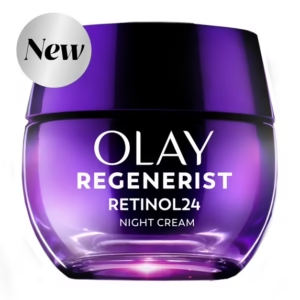
- Retinoids
Supporting Hormonal Health Naturally
Lifestyle improvements support both skin and hormonal wellness.
Natural strategies include:
- Balanced nutrition
- Reduced sugar intake
- Regular physical activity
- Stress reduction
- Adequate hydration

Post-Pill Acne After Stopping Birth Control
Many women experience acne after discontinuing hormonal contraceptives.
Why Post-Pill Acne Happens
During contraceptive use, synthetic hormones suppress natural hormonal fluctuations. After stopping, androgen levels may rebound temporarily.
Consequently, women may develop:
- Oily skin
- Cystic acne
- Irregular menstrual cycles
- Increased inflammation
How Long Recovery Takes
Hormonal stabilization varies individually. Some women recover within months, while others require longer periods.
Healthy lifestyle habits may support faster recovery.
Non-Hormonal Contraceptive Options for Acne-Prone Skin
Women sensitive to hormonal changes may prefer non-hormonal contraceptives.
Copper IUD and Skin Health
Copper IUDs contain no hormones. Therefore, they rarely trigger hormonal acne.

Barrier Methods and Hormonal Neutrality
Barrier methods include:
- Condoms
- Diaphragms
- Cervical caps
These methods do not affect hormone levels or skin health.
Fertility Awareness Methods
Natural fertility awareness methods help women avoid synthetic hormones entirely. However, these methods require consistency and education.


Common Myths About Birth Control and Acne
Many misconceptions create confusion about hormonal contraception and skin health.
Myth: All Birth Control Clears Acne
This statement is false. Some contraceptives improve acne, while others worsen it significantly.
Myth: Acne Means the Contraceptive Is Dangerous
Acne does not always indicate danger. However, severe or persistent symptoms should receive medical attention.
Myth: Skin Improves Immediately
Hormonal adjustments require time. Therefore, noticeable improvements may take several months.
When to Consult a Healthcare Professional
Persistent hormonal acne may indicate deeper hormonal imbalances.
Signs That Need Medical Attention
Professional evaluation becomes important if acne causes:
- Painful cysts
- Scarring
- Emotional distress
- Severe inflammation
Benefits of Personalized Treatment
Dermatologists and gynecologists can recommend contraceptive methods based on individual hormonal needs and skin concerns.
Conclusion
Your choice of contraception can significantly influence skin health and acne management. Some hormonal contraceptives reduce inflammation and improve breakouts, while others increase oil production and trigger painful cystic acne.
Because every woman responds differently, personalized care remains essential. Monitoring hormonal symptoms, improving lifestyle habits, and choosing suitable contraceptives can help maintain healthier skin naturally.
Long-term hormonal balance should always remain the priority. Clear skin becomes easier to achieve when reproductive health, nutrition, stress management, and skincare work together.
Frequently Asked Questions (FAQs)
Can birth control pills improve hormonal acne?
How Combined Pills Help Acne
Combined pills reduce androgen activity and decrease oil production.
Which contraceptives commonly worsen acne?
Hormonal Methods Linked to Acne
Some progestin-only pills, hormonal IUDs, and implants may worsen acne.
How long does birth control take to clear acne?
Expected Timeline for Improvement
Most women notice visible improvements within three to six months.
Can stopping birth control trigger acne?
Hormonal Rebound After Discontinuation
Yes, stopping hormonal contraception may temporarily increase acne and oiliness.
Are non-hormonal contraceptives better for acne-prone skin?
Benefits of Hormone-Free Methods
Non-hormonal methods avoid hormone-related acne triggers completely.
Can stress worsen hormonal acne?
Effect of Cortisol on Skin
Stress increases inflammation and oil production, which worsens acne.
What foods help improve hormonal acne naturally?
Best Foods for Clear Skin
Omega-3-rich foods, vegetables, berries, and nuts support healthier skin.
Should I change contraceptives if acne becomes severe?
Importance of Medical ConsultationC
Consult a healthcare professional before switching contraceptive methods.