
Introduction
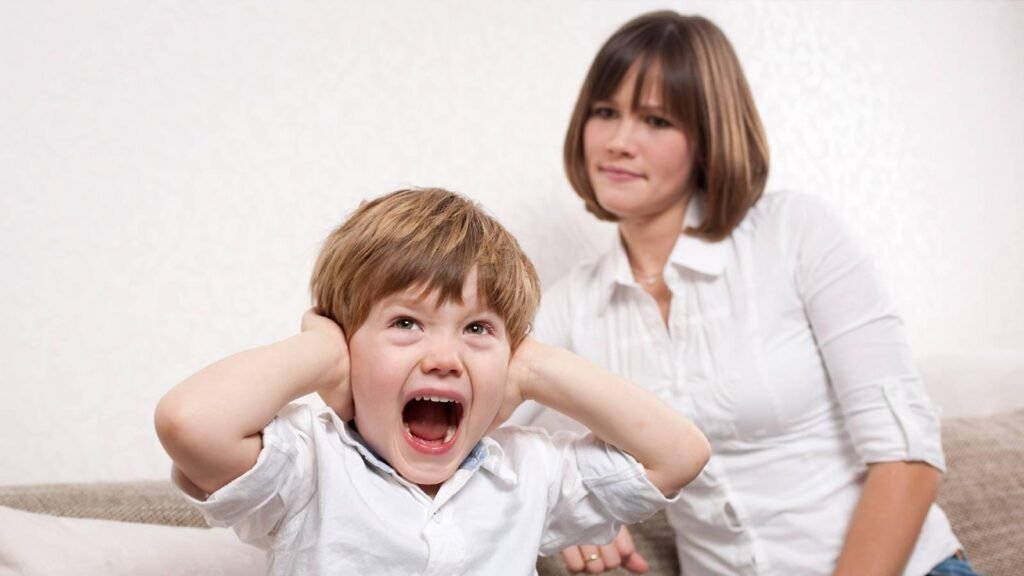
Parenting difficult children can feel exhausting. One moment, your child behaves sweetly. However, the next moment, they become angry, stubborn, or aggressive. Many parents struggle with difficult child behavior every day. Therefore, understanding the real reasons behind these actions becomes very important.


Children rarely misbehave without a reason. Instead, their emotions, environment, sleep, nutrition, and communication patterns shape their behavior. Moreover, children often express stress through actions because they cannot explain emotions clearly.

This guide explains moody child behavior, naughty child symptoms, emotional child behavior, and effective parenting solutions. Additionally, you will learn how to discipline a disobedient child without harming their confidence.

Understanding Difficult Child Behavior
Difficult child behavior includes repeated anger, stubbornness, aggression, disobedience, mood swings, or attention-seeking actions. Although every child misbehaves sometimes, constant behavioral problems may signal emotional distress or unmet needs.
Children behave differently based on age, personality, and surroundings. Therefore, parents should focus on patterns instead of isolated incidents.
Common child behavior problems include:
- Frequent tantrums
- Refusing instructions
- Hitting or shouting
- Mood swings
- Lying or arguing
- Aggressive child behavior
- Emotional outbursts
- Defiant behavior
What Makes a Child Moody, Naughty, or Disobedient?
1. Lack of Emotional Attention
Children need emotional connection every day. However, busy schedules often reduce meaningful parent-child interaction.
When children feel ignored, they may become:
- Moody
- Angry
- Attention-seeking
- Emotionally sensitive
Sometimes, naughty child symptoms simply reflect loneliness or emotional insecurity.
Parents should spend quality time daily. Even 20 minutes of focused interaction can improve behavior significantly.
2. Excessive Screen Time
Too much screen exposure affects emotional child behavior badly. Additionally, violent cartoons, gaming addiction, and social media overstimulate young minds.
Children with high screen time may show:
- Irritability
- Poor concentration
- Sleep problems
- Aggressive child behavior
- Emotional instability
Therefore, parents should create healthy digital boundaries at home.
Healthy Screen Time Tips
- Avoid screens during meals
- Limit gaming hours
- Encourage outdoor activities
- Create screen-free bedtime routines
3.How Sleep Problems Affect Child Behavior

Poor sleep strongly affects child behavior problems. Children become emotionally unstable when they lack proper rest.
Sleep-deprived children often become:
- Moody
- Hyperactive
- Aggressive
- Disobedient
- Emotionally sensitive
Moreover, poor sleep reduces patience and concentration.

Signs of Sleep-Related Behavior Problems
- Morning irritability
- Frequent crying
- Difficulty focusing
- Sudden anger
- Constant fatigue
A healthy bedtime routine improves emotional regulation naturally.
4. Inconsistent Parenting Rules
Children need clear boundaries. However, inconsistent parenting confuses them.
For example:
- One parent says yes
- Another parent says no
- Rules change daily
As a result, children test limits continuously.
Therefore, parents should maintain consistent expectations and discipline strategies.
5. Academic Pressure and Stress
School stress also affects emotional child behavior. Children may struggle silently with:
- Homework pressure
- Fear of failure
- Bullying
- Social anxiety
- Low self-esteem
Instead of expressing stress verbally, children often act out emotionally.
Parents should observe behavior changes carefully. Open communication helps children feel emotionally safe.
6. Poor Nutrition and Sugar Overload
Diet affects mood and energy significantly. Children consuming processed foods and sugary drinks often experience emotional fluctuations.
Unhealthy diets may cause:
- Hyperactivity
- Mood swings
- Irritability
- Poor concentration
Therefore, balanced meals support emotional stability and brain function.
Best Foods for Better Child Behavior
- Fruits
- Nuts
- Milk
- Eggs
- Whole grains
- Green vegetables
- Omega-3-rich foods
Healthy eating habits improve emotional balance gradually.
Signs of a Difficult Child at Home
Recognizing behavior patterns early helps parents respond effectively.
Common Signs Include
Frequent Anger Outbursts
Children may scream, throw objects, or react aggressively.

Constant Refusal
Disobedient child behavior often includes ignoring instructions repeatedly.

Emotional Withdrawal
Moody child behavior may appear as sadness, isolation, or silence.

Attention-Seeking Behavior
Children sometimes misbehave simply to gain attention.


Aggressive Reactions
Some children hit siblings, damage items, or become physically aggressive.
How to Handle Difficult Children Calmly

Parenting difficult children requires patience and consistency. Harsh punishment usually worsens behavior. Therefore, positive parenting techniques work better long term.
1. Stay Calm During Tantrums
Children copy adult reactions. If parents shout constantly, children learn aggressive responses.
Instead:
- Speak calmly
- Use simple instructions
- Avoid arguing emotionally
- Stay patient
Calm parenting reduces emotional escalation.
2. Create Daily Routines
Children feel secure with predictable routines. Structured schedules reduce emotional chaos.
Important routines include:
- Fixed bedtime
- Homework time
- Meal schedules
- Outdoor play
- Family conversations
Routine improves discipline naturally.
3. Praise Good Behavior
Children repeat behaviors that receive positive attention.
Instead of focusing only on mistakes, praise:
- Kindness
- Listening
- Sharing
- Calm communication
Positive reinforcement improves child behavior faster than criticism.
How to Discipline a Disobedient Child

Discipline should teach responsibility, not fear. Therefore, parents should avoid yelling, humiliation, or physical punishment.
Effective Discipline Strategies
1. Set Clear Rules
Children should understand household expectations clearly.
Example:
- Speak respectfully
- Finish homework
- Avoid hitting
Simple rules work best.

2. Use Natural Consequences
Children learn responsibility through consequences.
For example:
- Toys left outside get removed temporarily
- Screen time decreases after rude behavior
Consequences should remain calm and fair.
3. Give Choices
Children cooperate better when they feel involved.
Instead of commanding:
“Wear this now.”
Say: “Do you want the blue shirt or the green one?”
Choices reduce power struggles.

4. Avoid Public Humiliation
Embarrassing children damages self-esteem and trust.
Correct behavior privately whenever possible.
5. Be Consistent
Consistency matters more than strictness.
Children quickly recognize empty threats. Therefore, parents should follow through calmly.
Stubborn Child Parenting Tips

Every stubborn child needs emotional guidance, not constant punishment.
Helpful Parenting Strategies
- Listen carefully
- Avoid unnecessary arguments
- Stay emotionally connected
- Offer limited choices
- Encourage problem-solving
- Maintain boundaries respectfully
Additionally, emotional validation helps stubborn children feel understood.
When Should Parents Seek Professional Help?
Sometimes difficult child behavior needs expert evaluation.
Seek professional guidance if your child shows:
- Extreme aggression
- Self-harm behavior
- Severe anxiety
- Social withdrawal
- Persistent emotional breakdowns
- Academic decline
- Sleep disturbances
Early support improves long-term emotional health.
Best Daily Habits for Better Child Behavior
Healthy habits build emotional stability gradually.
Daily Behavior Improvement Tips
- Encourage outdoor play
- Reduce screen exposure
- Maintain sleep schedules
- Eat healthy meals together
- Practice calm communication
- Read books regularly
- Spend family time daily
Small lifestyle changes create powerful behavioral improvements.
Final Thoughts
Difficult child behavior often reflects emotional struggles instead of bad character. Therefore, understanding the root causes becomes essential.

Children need:
- Emotional safety
- Consistent parenting
- Healthy routines
- Positive discipline
- Open communication
Although parenting difficult children feels challenging, patient guidance creates lasting improvement. Moreover, calm parenting builds trust, confidence, and emotional resilience over time.
Frequently Asked Questions (FAQ)
Why is my child suddenly moody and aggressive?
Sudden mood changes may result from stress, poor sleep, excessive screen time, emotional insecurity, or school pressure.
How do I discipline a disobedient child without yelling?
Use calm communication, clear rules, consistent consequences, and positive reinforcement instead of shouting.
What causes naughty child behavior?
Children may misbehave due to attention needs, frustration, emotional stress, lack of boundaries, or unhealthy routines.
Can poor sleep affect child behavior?
Yes. Sleep deprivation often causes irritability, aggression, hyperactivity, and emotional instability.
How much screen time is healthy for children?
Parents should limit recreational screen exposure and encourage outdoor play, reading, and family interaction daily.
When should I worry about aggressive child behavior?
Seek professional support if aggression becomes frequent, severe, dangerous, or affects school and relationships.

[smartslider3 slider=”21″]