
What If Your Child Is Eating Every Day but Still Not Getting Enough Nutrition?
Many parents assume that if their child eats three meals a day, everything is fine. But what if a child is eating regularly and still becoming weak, falling sick often, struggling to gain weight, or not growing as expected?
This is the hidden reality of malnutrition, a condition that affects millions of children worldwide. Malnutrition is not only about hunger. It can occur when a child does not receive the right balance of nutrients needed for healthy growth and development.
The good news is that many signs of malnutrition appear long before serious health problems develop. Recognizing these early warning signs can help parents seek timely medical advice and improve their child’s health.
In this guide, you’ll learn the most common signs of malnutrition in children, its causes, effects, prevention strategies, and when to seek professional help.
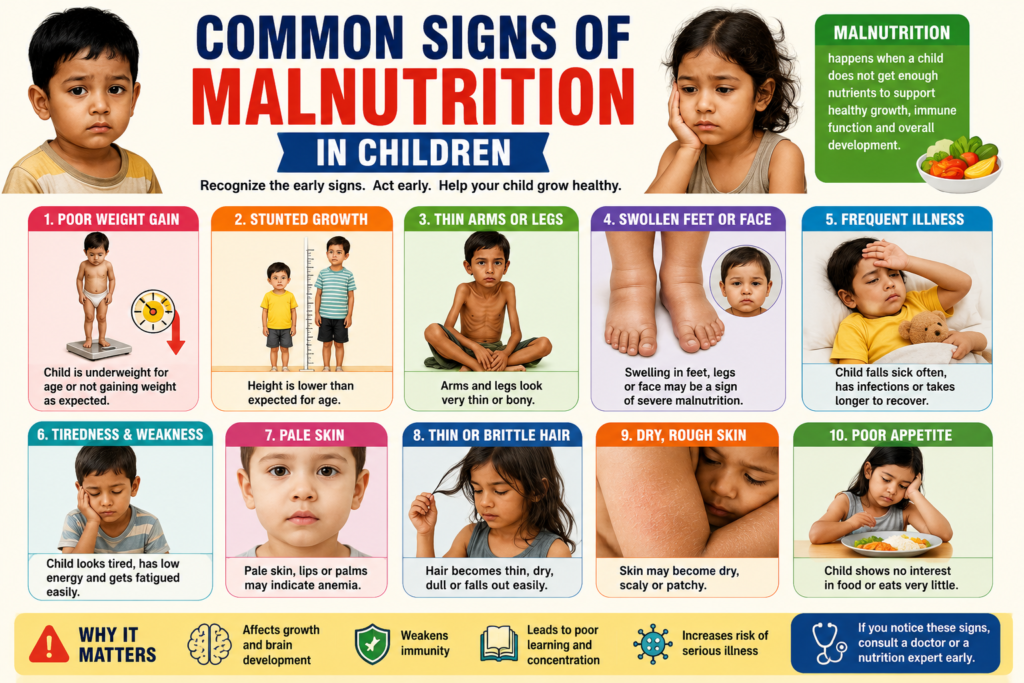
Quick screening for assessment of malnourishment of the child


What Is Malnutrition?
Malnutrition occurs when a child receives too little, too much, or an imbalance of essential nutrients.
Children need adequate amounts of:
- Proteins
- Carbohydrates
- Healthy fats
- Vitamins
- Minerals
- Water
When these nutrients are lacking or unbalanced, growth and development can be affected.
Types of Malnutrition
Undernutrition
This occurs when a child does not consume enough nutrients.
Examples include:
- Underweight
- Wasting
- Stunting
- Micronutrient deficiencies
Overnutrition
This occurs when excessive calories are consumed, often leading to overweight or obesity while still lacking important nutrients.
Why Malnutrition Is Dangerous for Children
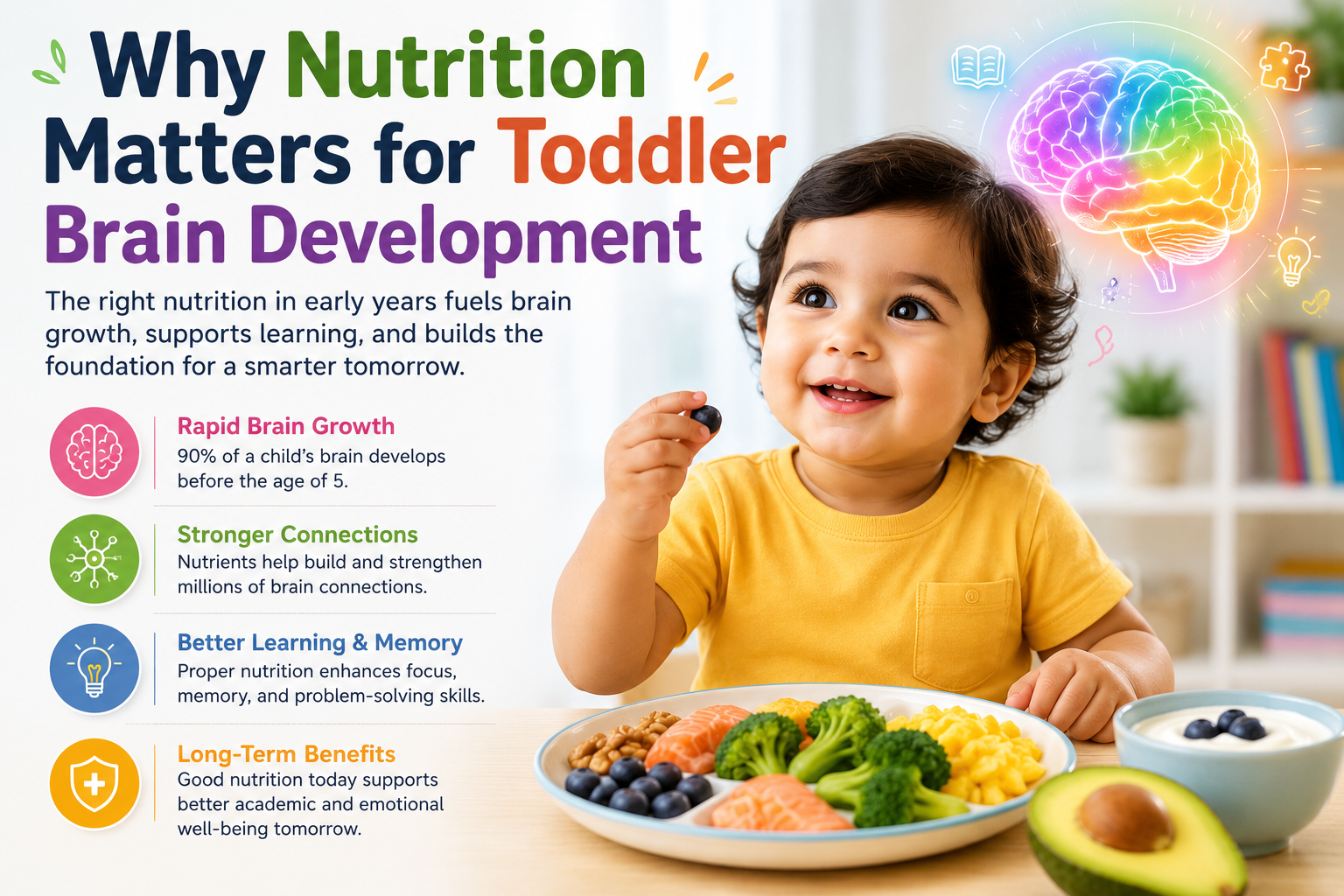
Childhood is a period of rapid growth. The body and brain require continuous nourishment.
Malnutrition can affect:
- Physical growth
- Brain development
- Immunity
- Learning ability
- Emotional well-being
- Future health outcomes
If left untreated, severe malnutrition may lead to serious illness and even death.
Common Signs of Malnutrition in Children
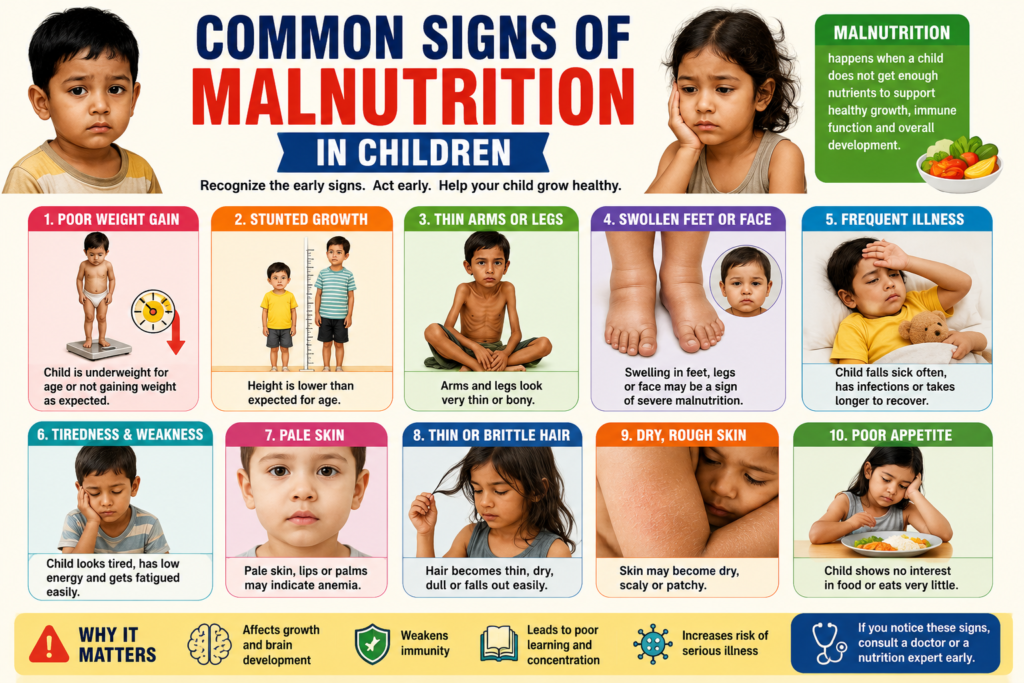
Recognizing symptoms early can prevent long-term complications.
1. Poor Weight Gain
One of the earliest warning signs is inadequate weight gain.
A child may:
- Remain underweight for age
- Lose weight unexpectedly
- Show little improvement despite growing older
Regular growth monitoring helps identify this issue early.
2. Stunted Growth
Stunting occurs when a child is shorter than expected for their age due to long-term nutritional deficiencies.
Children with stunted growth may:
- Appear younger than peers
- Have delayed physical development
- Grow slowly over time
Stunting often develops gradually and may go unnoticed without regular health checkups.
Are you Enjoying reading this article
3. Thin Arms and Legs
Children suffering from malnutrition often lose muscle mass.
Common signs include:
- Very thin arms
- Skinny legs
- Prominent bones
- Reduced muscle strength
The body begins using stored muscle tissue when nutrient intake is insufficient.
4. Swollen Feet, Legs, or Face
Not all malnourished children appear thin.
Severe protein deficiency can cause fluid retention.
Signs include:
- Puffy face
- Swollen feet
- Enlarged abdomen
- Leg swelling
This condition requires immediate medical attention.
5. Frequent Illnesses
Nutrition plays a vital role in immunity.
Children with malnutrition often experience:
- Repeated colds
- Persistent cough
- Frequent infections
- Slow recovery from illness
A weak immune system makes the body more vulnerable to disease.
6. Constant Fatigue and Low Energy
Does your child seem tired all the time?
Low energy levels may indicate inadequate nutrient intake.
Children may:
- Avoid physical activity
- Become exhausted easily
- Sleep excessively
- Struggle to concentrate
Iron deficiency is a common cause of fatigue in children.
7. Pale Skin
Paleness may indicate anemia caused by iron deficiency.
Watch for:
- Pale face
- Pale inner eyelids
- Pale palms
- Lack of healthy skin color
Iron-rich foods and medical evaluation may be necessary.
8. Hair Changes
Healthy nutrition supports healthy hair growth.
Malnutrition may cause:
- Hair thinning
- Hair loss
- Dry hair
- Brittle hair
- Changes in hair color
Hair may become sparse and lose its natural shine.
9. Dry, Flaky Skin
Nutritional deficiencies can affect skin health.
Possible symptoms include:
- Dry skin
- Cracked skin
- Rough patches
- Delayed wound healing
Vitamin deficiencies are often associated with skin problems.
10. Delayed Developmental Milestones
Poor nutrition can slow brain and body development.
Children may experience delays in:
- Walking
- Talking
- Learning
- Social interaction
- Motor skills
Early intervention is crucial for better outcomes.
Behavioral Signs of Malnutrition
Malnutrition doesn’t only affect physical appearance.
It may also influence behavior and emotions.
Irritability
Children may become:
- Easily frustrated
- Moody
- Difficult to comfort
Poor Concentration
Lack of nutrients can affect brain function.
Signs include:
- Difficulty focusing
- Poor memory
- Reduced academic performance
Lack of Interest in Play
Children naturally enjoy play and exploration.
A malnourished child may:
- Avoid activities
- Show little curiosity
- Remain inactive
Signs of Vitamin and Mineral Deficiencies
Iron Deficiency
Symptoms:
- Fatigue
- Pale skin
- Dizziness
- Poor concentration
Vitamin A Deficiency
Symptoms:
- Poor vision in dim light
- Dry eyes
- Frequent infections
Vitamin D Deficiency
Symptoms:
- Bone pain
- Delayed growth
- Weak muscles
Zinc Deficiency
Symptoms:
- Poor appetite
- Slow growth
- Delayed wound healing
Iodine Deficiency
Symptoms:
- Learning difficulties
- Developmental delays
- Thyroid problems
Subscribe to Our News Letter
Causes of Malnutrition in Children
Several factors contribute to malnutrition.
Inadequate Diet
Children may not receive sufficient nutrients due to:
- Limited food availability
- Poor feeding practices
- Restrictive diets
Frequent Infections
Repeated illnesses can reduce appetite and nutrient absorption.
Examples include:
- Diarrhea
- Respiratory infections
- Intestinal parasites
Poverty
Economic challenges often limit access to nutritious foods.
Lack of Nutrition Knowledge
Parents may unknowingly provide diets lacking essential nutrients.
Medical Conditions
Certain health problems increase nutritional risk.
Examples:
- Food allergies
- Digestive disorders
- Chronic diseases
Long-Term Effects of Malnutrition
Untreated malnutrition can have lasting consequences.
Poor Academic Performance
Nutritional deficiencies affect memory, learning, and concentration.
Reduced Immunity
Children become more susceptible to illness.
Delayed Puberty
Growth and hormonal development may be affected.
Lower Adult Height
Stunting during childhood often leads to shorter adult stature.
Increased Risk of Chronic Diseases
Poor childhood nutrition can contribute to future health problems.
How Doctors Diagnose Malnutrition
Healthcare professionals use several methods.
Growth Measurements
They assess:
- Weight
- Height
- Body Mass Index (BMI)
- Growth charts
Physical Examination
Doctors look for visible signs of nutrient deficiencies.
Blood Tests
Blood tests help identify deficiencies such as:
- Iron deficiency anemia
- Vitamin deficiencies
- Mineral imbalances
How Parents Can Prevent Malnutrition
Offer a Balanced Diet
A healthy plate should include:
- Fruits
- Vegetables
- Whole grains
- Dairy products
- Protein-rich foods
Encourage Regular Meals
Children need consistent nutrition throughout the day.
Provide:
- Breakfast
- Lunch
- Dinner
- Healthy snacks
Promote Breastfeeding
Exclusive breastfeeding for the first six months provides essential nutrients and immunity support.
Ensure Safe Drinking Water
Clean water reduces infections that can worsen malnutrition.
Maintain Vaccinations
Immunization helps prevent illnesses that interfere with nutrition.
Monitor Growth Regularly
Routine health visits help detect growth problems early.
Foods That Help Prevent Malnutrition

Protein Sources
- Eggs
- Fish
- Chicken
- Lentils
- Beans
- Milk
Iron-Rich Foods
- Spinach
- Lean meat
- Chickpeas
- Fortified cereals
Calcium Sources
- Milk
- Yogurt
- Cheese
- Sesame seeds
Vitamin-Rich Foods
- Carrots
- Mangoes
- Oranges
- Sweet potatoes
Healthy Fats
- Nuts
- Seeds
- Avocados
- Peanut butter
When Should Parents Seek Medical Help?
Consult a healthcare provider if your child:
- Is losing weight
- Is not growing normally
- Frequently falls sick
- Has persistent fatigue
- Shows developmental delays
- Has swelling of feet or face
- Refuses food consistently
Early diagnosis can significantly improve outcomes.
The Role of Schools in Preventing Malnutrition

Schools can support child nutrition through:
- Healthy meal programs
- Nutrition education
- Physical activity promotion
- Growth monitoring
Teachers are often among the first to notice changes in a child’s health.
Conclusion
Malnutrition in children is often silent in its early stages, but the warning signs are usually present if parents know what to look for. Poor weight gain, stunted growth, frequent illness, fatigue, hair and skin changes, delayed development, and behavioral changes can all signal that a child is not receiving the nutrients needed for healthy growth.
The good news is that most cases can be prevented or improved through balanced nutrition, regular health checkups, proper hygiene, vaccinations, and early medical attention. By paying close attention to growth patterns and overall well-being, parents can help ensure their children develop into healthy, active, and thriving adults.
Frequently Asked Questions (FAQs)
1. What is the first sign of malnutrition in a child?
Poor weight gain is often one of the earliest warning signs.
2. Can a child be overweight and still be malnourished?
Yes. A child may consume excess calories but still lack essential vitamins and minerals.
3. Does malnutrition affect brain development?
Yes. Poor nutrition can impact memory, learning ability, and concentration.
4. What foods help prevent malnutrition?
A balanced diet including fruits, vegetables, proteins, dairy products, whole grains, and healthy fats helps prevent malnutrition.
5. Can frequent infections cause malnutrition?
Yes. Repeated infections can reduce appetite and impair nutrient absorption.
6. Is stunted growth reversible?
Early intervention can improve growth outcomes, but severe long-term stunting may have lasting effects.
7. How often should a child’s growth be monitored?
Children should have regular growth assessments during routine healthcare visits.
8. What vitamin deficiency is most common in children?
Iron deficiency is one of the most common nutritional deficiencies worldwide.
9. Can malnutrition affect school performance?
Yes. It can reduce concentration, memory, and learning ability.
10. When should parents seek medical attention?
Parents should seek medical advice if they notice poor growth, weight loss, fatigue, developmental delays, or frequent illnesses.
Suggested Images for the Article

SEO Meta Title: Signs of Malnutrition in Children: Early Symptoms, Causes and Prevention
SEO Meta Description: Learn the early signs of malnutrition in children, including poor growth, fatigue, frequent illness, and developmental delays. Discover causes, prevention tips, and treatment options.