

Silent Nutrient Gaps in Babies: The Hidden Health Warnings Every Parent Should Know
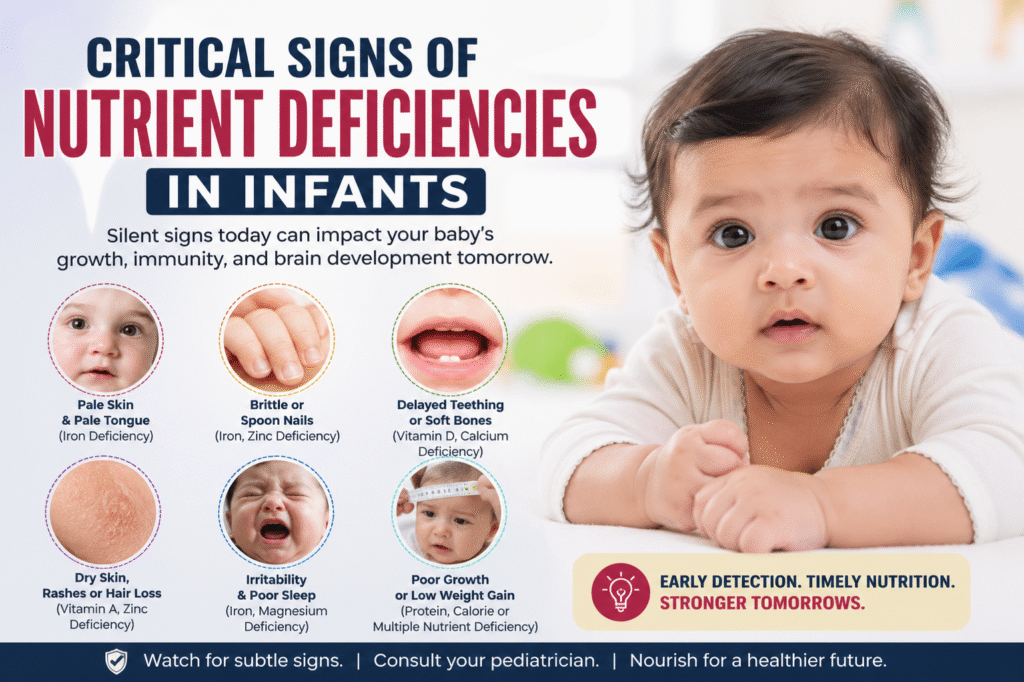
Infants grow at an extraordinary pace, and their nutritional needs are far greater per kilogram than at any other stage of life. Yet, many subtle signs of nutrient deficiencies in infants often go unnoticed because they mimic common baby behaviors or mild developmental variations. Brittle nails, pale skin, delayed teething, unexplained irritability, poor sleep, or reduced social responsiveness may not simply be “phases”—they can signal underlying micronutrient deficiencies that may impact long-term physical and cognitive development.
Recognizing these early warning signs can help parents and caregivers intervene before hidden nutrient gaps lead to developmental delays, weakened immunity, poor bone growth, or learning difficulties.
Why Infant Nutrient Deficiencies Are Often Overlooked
Many parents focus on obvious signs like poor weight gain or severe illness, but nutrient deficiencies often begin subtly.
Common reasons these signs are missed:
- Symptoms resemble normal infant fussiness
- Routine pediatric visits may prioritize weight and vaccinations over micronutrient screening
- Exclusive breastfeeding without supplementation may miss vitamin D or iron needs
- Picky feeding or delayed solids can create hidden nutritional imbalances
- Mild deficiencies may not appear in standard growth charts initially
Because early infancy is critical for brain growth, nerve development, and skeletal formation, even minor deficiencies can have significant consequences over time.

Most Common Subtle Physical Signs of Infant Nutrient Gaps
1. Pale Tongue or Pale Inner Eyelids
Possible deficiency:
- Iron
- Vitamin B12
- Folate
Why it matters:
Iron deficiency anemia reduces oxygen delivery to the developing brain, potentially affecting:
- Memory formation
- Motor coordination
- Language development
- Attention span
Additional symptoms:
- Fatigue
- Poor feeding
- Frequent infections
- Delayed milestones
2. Brittle Nails or Spoon-Shaped Nails
Possible deficiency:
- Iron
- Zinc
- Biotin
Physical clues:
- Thin nails
- Easily cracked nails
- Slow nail growth
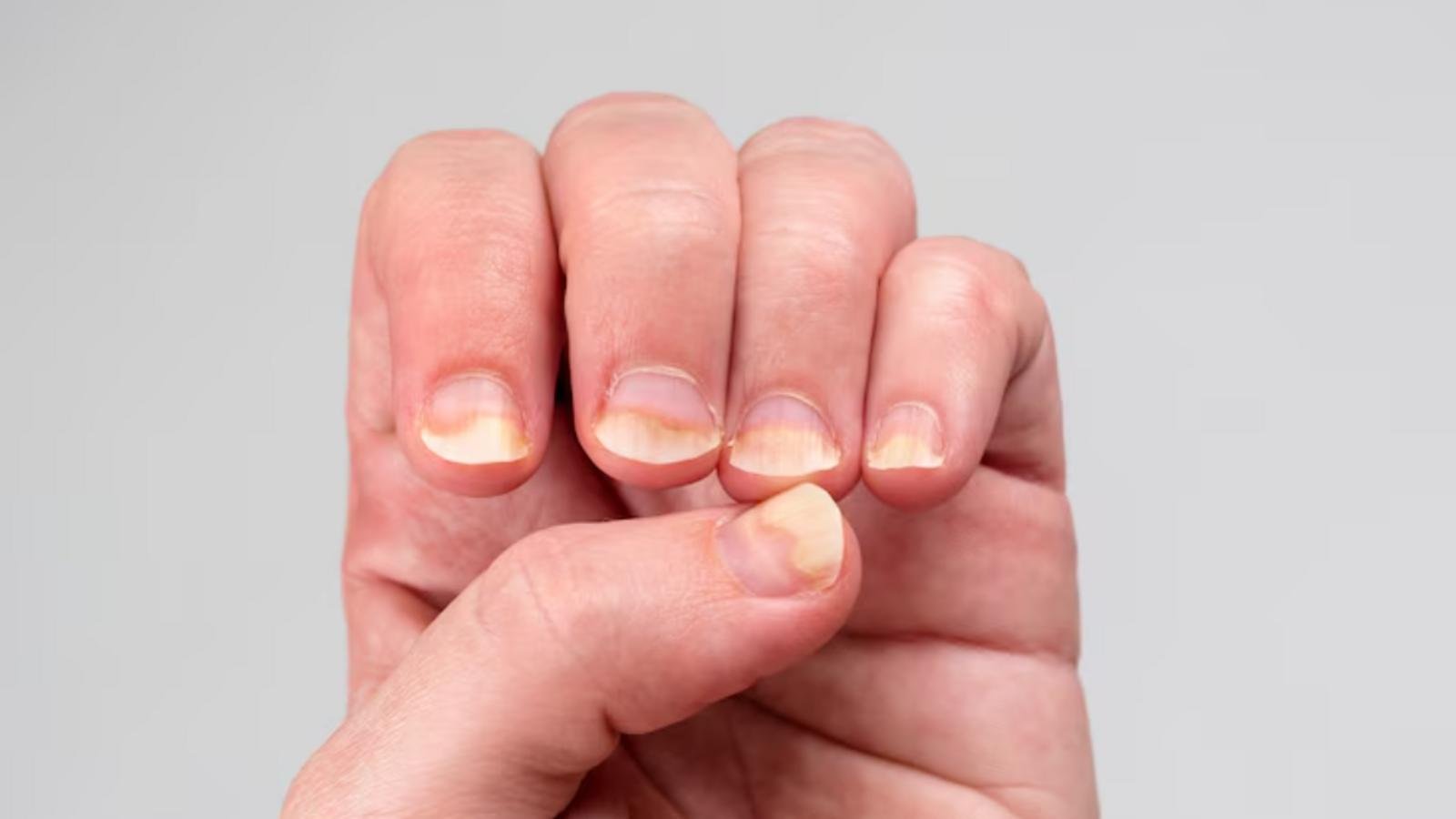
Thin and Brittle Nails
Thin and Brittle Nails
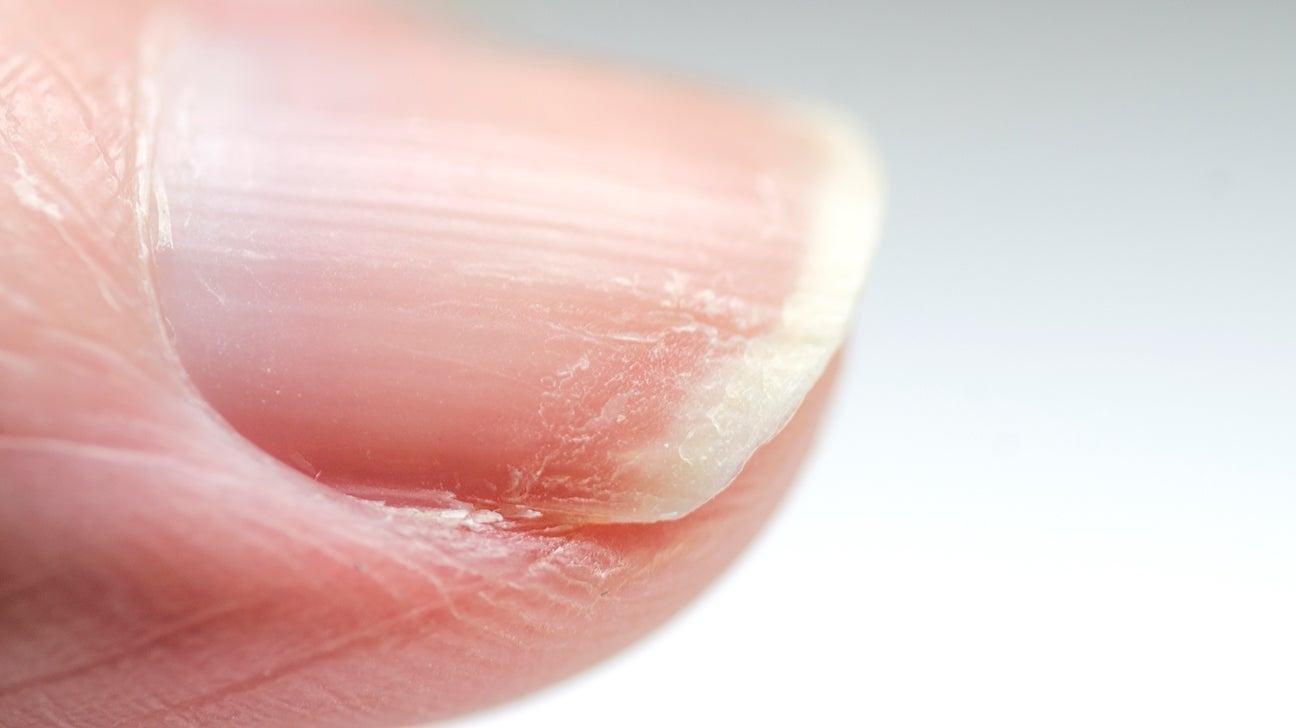
Thin and Brittle Nails
Thin and Brittle Nails
Developmental impact:
Zinc deficiency may impair:
- Immune strength
- Growth hormone function
- Tissue repair
- Neurological signaling
3. Delayed Teething or Soft Skull Bones
Possible deficiency:
- Vitamin D
- Calcium
- Phosphorus
Physical markers:
- Late tooth eruption
- Skull softness
- Bowed legs
- Frequent sweating of the head
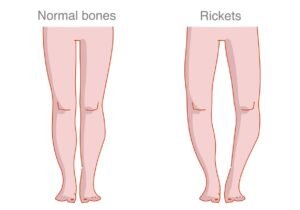
Long-term effects:
Insufficient vitamin D can lead to:
- Rickets
- Reduced bone density
- Muscle weakness
- Delayed motor development
4. Dry Skin, Hair Loss, or Sparse Hair
Possible deficiency:
- Essential fatty acids
- Protein
- Zinc
- Vitamin A
Hidden risks:
These deficiencies may interfere with:
- Brain myelination
- Visual development
- Skin barrier protection
- Hormonal regulation
5. Irritability and Poor Sleep
Possible deficiency:
- Magnesium
- Iron
- Vitamin D
- Omega-3 fatty acids
Why behavior matters:
Chronic unexplained fussiness can sometimes reflect:
- Neurological stress
- Muscle discomfort
- Poor neurotransmitter production
Without correction, prolonged deficiencies may influence:
- Emotional regulation
- Learning
- Social interaction
How Hidden Micronutrient Deficiencies Affect Long-Term Cognitive Development
Brain Development in the First 1000 Days
The first two years are essential for:
- Synapse formation
- Myelination
- Memory pathways
- Emotional regulation
- Language acquisition
When nutrient shortages occur during this period, impacts may include:
Iron Deficiency:
- Lower IQ scores
- Reduced concentration
- Delayed psychomotor skills
Iodine Deficiency:
- Impaired thyroid hormone production
- Reduced cognitive potential
- Speech delays
Vitamin B12 Deficiency:
- Nerve damage
- Developmental regression
- Hypotonia
Omega-3 Deficiency:
- Poor visual acuity
- Reduced cognitive flexibility
- Behavioral concerns
Zinc Deficiency:
- Learning difficulties
- Impaired immune-brain communication
- Delayed growth
Physical Markers and Their Nutrient Links
| Physical Sign | Likely Nutrient Gap | Potential Developmental Risk |
|---|---|---|
| Pale tongue | Iron, B12, Folate | Cognitive delay |
| Brittle nails | Iron, Zinc | Growth delay |
| Delayed teething | Vitamin D, Calcium | Weak bones |
| Sparse hair | Protein, Zinc | Immune weakness |
| Dry skin | Vitamin A, Essential fats | Vision and skin issues |
| Irritability | Iron, Magnesium | Emotional and neurological stress |
| Frequent infections | Zinc, Vitamin C | Weakened immunity |
High-Risk Groups for Infant Nutrient Deficiencies
Babies more vulnerable include:
- Exclusively breastfed infants without vitamin D supplementation
- Premature babies
- Low birth weight infants
- Babies with feeding disorders
- Infants with food allergies
- Vegetarian or vegan households without careful planning
Prevention Strategies for Parents
Breastfeeding Support:
- Ensure maternal nutrition
- Vitamin D supplementation when advised
- Monitor iron stores
Complementary Feeding:
At 6 months include:
- Iron-rich cereals
- Mashed lentils
- Pureed meats
- Eggs
- Fruits rich in vitamin C
- Healthy fats

Pediatric Monitoring:
- Developmental milestone checks
- Growth tracking
- Blood screening when symptoms arise
When to Seek Medical Advice
Consult a pediatrician if your infant has:
- Persistent pallor
- Poor feeding
- Delayed milestones
- Excessive irritability
- Slow growth
- Recurrent illness
- Delayed motor or speech development
Early diagnosis can prevent permanent developmental setbacks.

Final Thoughts
Nutrient deficiencies in infants often whisper before they scream. Subtle signs like brittle nails, pale tongues, dry skin, delayed teething, or unusual fussiness may be early indicators of serious micronutrient gaps. Paying close attention to these hidden physical clues can protect your child’s brain, bones, immunity, and lifelong developmental potential.
For new parents, awareness is one of the most powerful tools in safeguarding infant health. Early nutritional intervention can make the difference between developmental struggle and thriving growth.
Frequently Asked Questions (FAQ)
1. What is the most common nutrient deficiency in infants?
Iron deficiency is one of the most common, especially after 6 months when iron stores begin to decline.
2. Can breastfeeding alone prevent all nutrient deficiencies?
Breastfeeding is highly beneficial, but some infants may still need vitamin D or iron supplementation depending on individual needs.
3. How do I know if my baby’s irritability is nutrition-related?
Persistent fussiness combined with physical signs like pallor, poor sleep, delayed growth, or feeding issues should prompt medical evaluation.
4. Does delayed teething always mean vitamin deficiency?
Not always, but delayed teething combined with bone or growth concerns may indicate vitamin D or calcium deficiency.
5. Can early nutrient deficiencies cause permanent brain damage?
Severe or prolonged deficiencies—especially iron, iodine, or B12—can have lasting cognitive effects if untreated.
6. Should all infants take supplements?
Supplementation should be based on pediatric guidance, as needs vary depending on feeding patterns, birth history, and diet.
