

Your tongue is more than just an organ for taste—it’s a powerful mirror of your internal health. In both traditional systems like Ayurveda and modern holistic approaches, the tongue serves as a diagnostic map that reveals imbalances in the body long before symptoms fully develop.
Inspired by insights from Healthy Tongue Secrets Revealed by Tim McMahon, this article explores how tongue diagnosis can help you identify nutritional deficiencies, gut issues, and stress-related imbalances—and how to restore health naturally.
What Is Tongue Diagnosis in Ayurveda?
In Ayurveda, the tongue is considered a reflection of the digestive system and internal organs. Each part of the tongue corresponds to a different organ:
- Tip → Heart & lungs
- Center → Stomach & digestion
- Sides → Liver & gallbladder
- Back → Kidneys & intestines

[smartslider3 slider=”5″]
Why Your Tongue Is Called a “Health Meter”
According to Tim McMahon, the tongue acts as a real-time health indicator. Instead of waiting for disease symptoms, your tongue gives early warning signs such as:
- Nutritional deficiencies
- Gut dysbiosis
- Chronic stress
- Inflammation
- Immune imbalance

This aligns closely with modern research linking oral health to systemic conditions like gut health, immunity, and metabolic disorders.
Common Tongue Signs and What They Mean
1. White Coating on Tongue
Possible causes:
- Poor digestion (Ama in Ayurveda)
- Yeast overgrowth (Candida)
- Dehydration

What to do:
- Improve gut health with probiotics
- Drink warm water and herbal teas
- Use a tongue scraper daily
[smartslider3 slider=”4″]
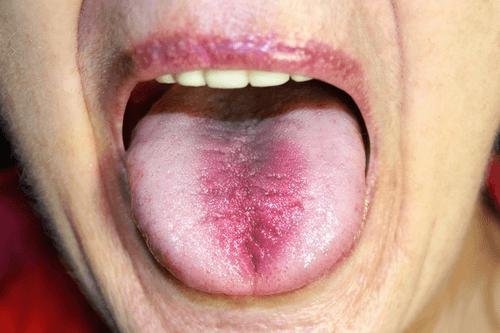
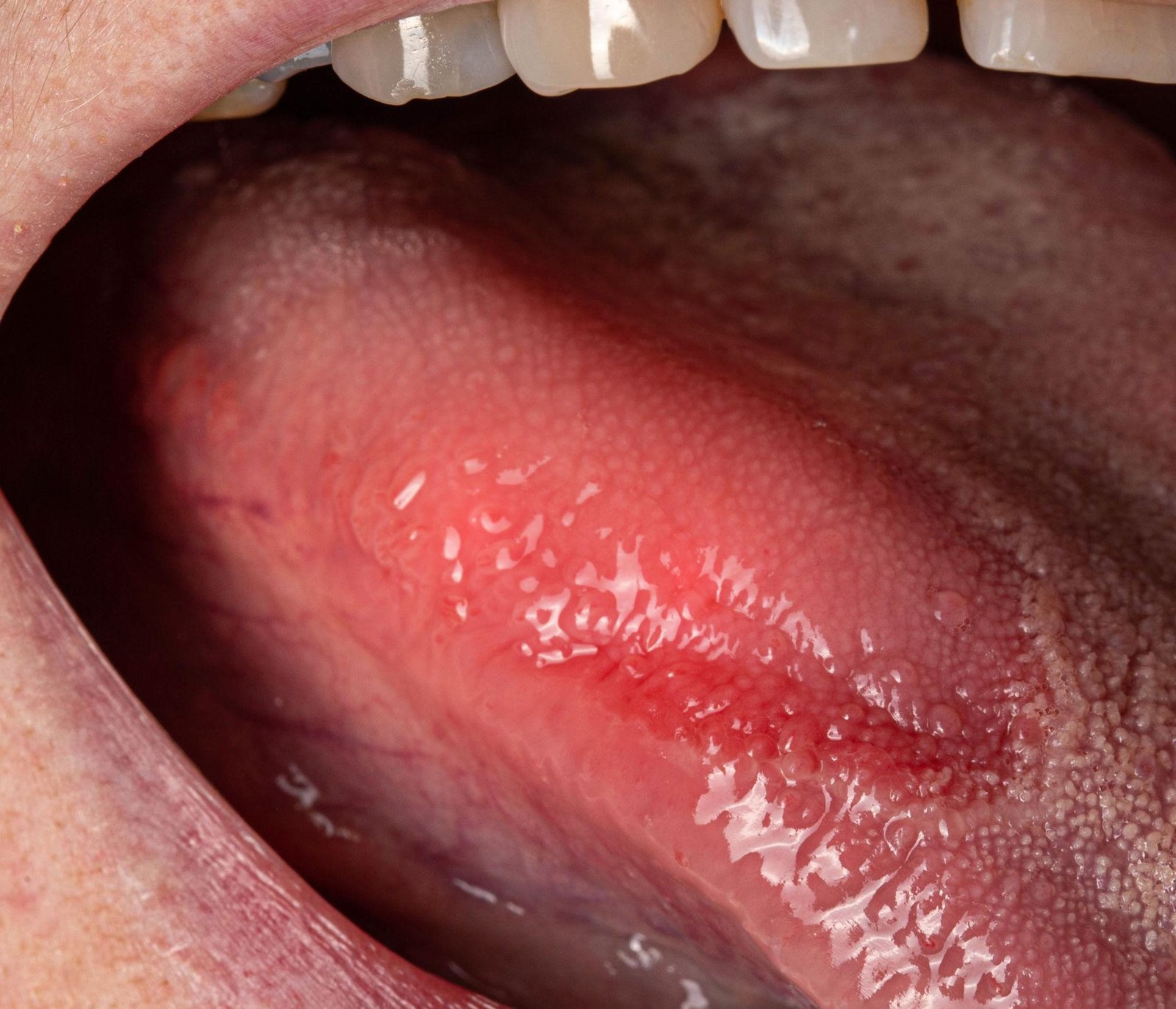
2. Red or Inflamed Tongue
Possible causes:
- Vitamin B-12 deficiency
- Iron deficiency
- High stress levels

Red and Inflammed
Red and Inflammed
2
4

What to do:
- Increase B-complex vitamins
- Include leafy greens and dairy
- Manage stress through yoga or meditation
3. Geographic Tongue (Patchy Appearance)

Sign and Symptoms:
- Smooth, red irregular patches
- Whit /yellow borders
- Shifting spots on tongue
- Burning with spicy and acidic foods

Possible causes:
- Immune imbalance
- Food sensitivities
- Gut inflammation
Triggers:
- Spicy and acidic food (Tomatoes, citrus, kiwi)
- Stress or anxiety
- Sometimes linked with burning mouth syndrome
What to do
- Identify trigger foods (spicy, acidic)
- Support gut healing
- Ensure adequate micronutrients
4. Pale Tongue


Possible causes:
- Anemia
- Low energy levels
- Poor circulation
What to do:
- Iron-rich foods (spinach, jaggery, lentils)
- Improve digestion for better absorption
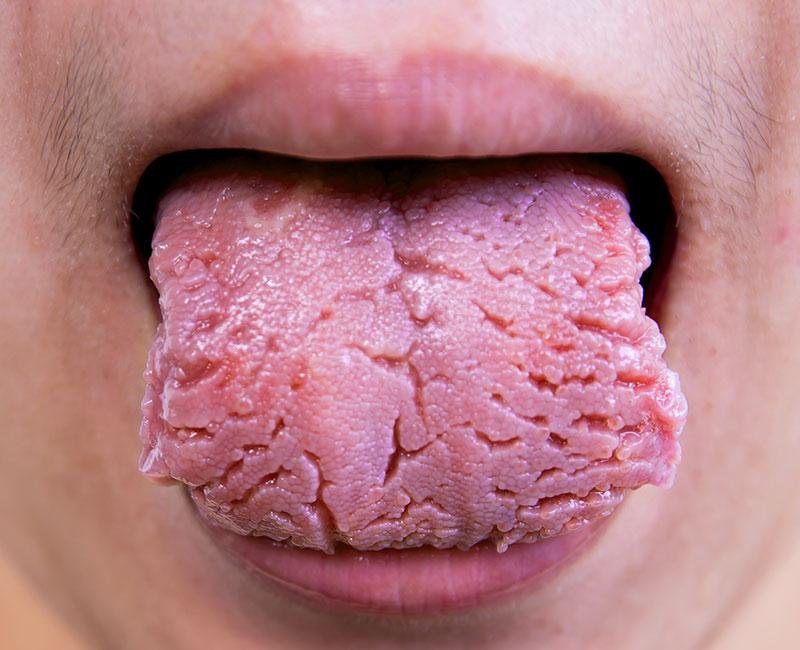
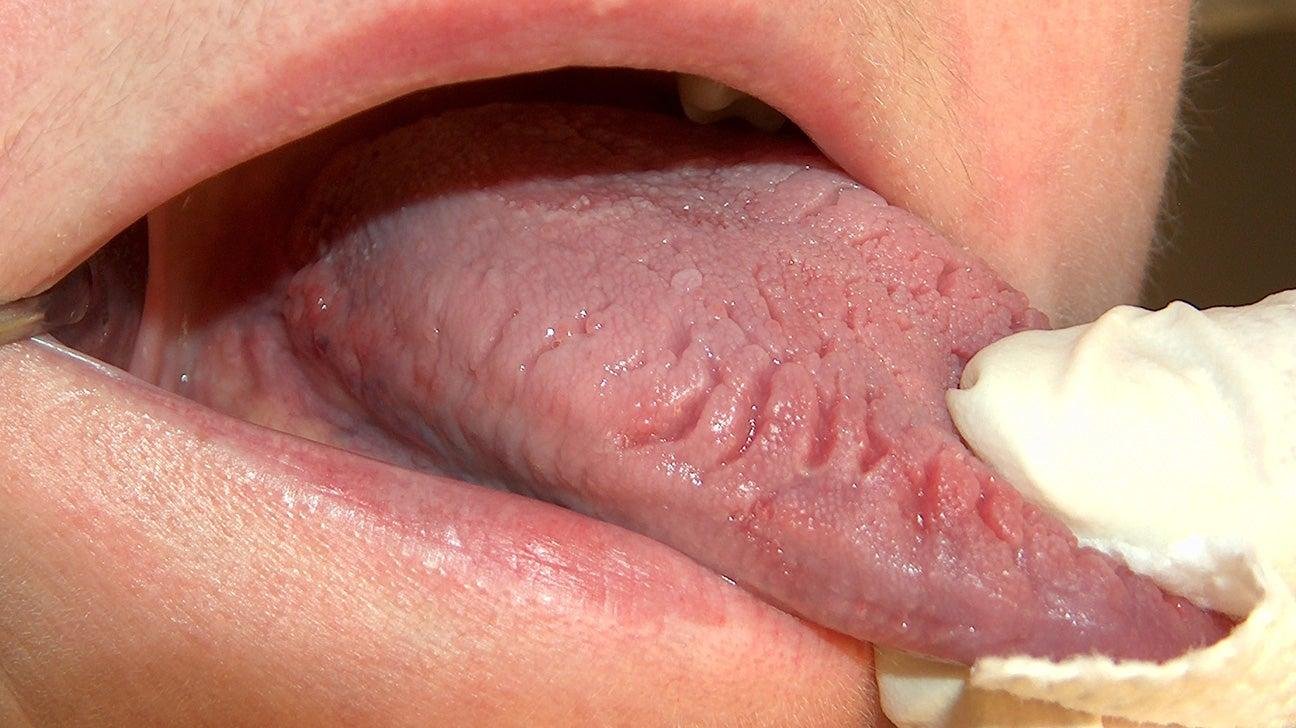
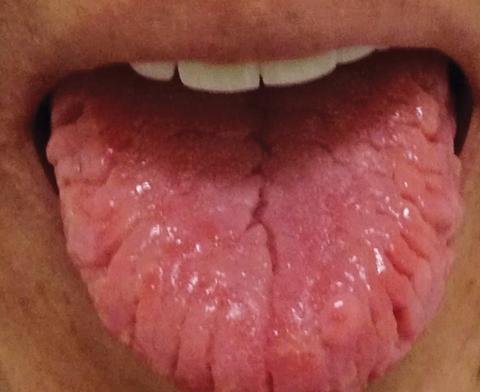
5. Cracked or Dry Tongue
Possible causes:
- Chronic dehydration
- Vata imbalance
- Nutritional deficiencies
4
Cracked Tongue
3
Side Cracked tongue
2
Cracked Tongue

1
Mid line Cracked tongue

What to do:
- Increase water intake
- Use healthy fats (ghee, nuts)
- Avoid excessive caffeine
What does the color of the tongue mean:
Changes in color, coating, texture, or shape can indicate imbalances in Vata, Pitta, or Kapha doshas

The Gut-Tongue Connection
One of the strongest messages from Healthy Tongue Secrets Revealed is that oral health reflects gut health.
When your gut microbiome is disturbed:
- Toxins accumulate
- Digestion weakens
- Immune function declines
This often shows up as:
- Coated tongue
- Bad breath
- Inflammation
Instead of just treating the tongue, the root cause lies in restoring gut balance.
Also Read: Gut-Brain Connection in Mind, Mood & Sleep: HealthLiveHub
Holistic Healing Approach
1. Nutrition First
Focus on:
- Whole foods
- Fermented foods (curd, kanji, idli batter)
- Vitamins like B12, iron, zinc
2. Tongue Care Ritual
- Scrape tongue every morning
- Use herbal mouth rinses
- Maintain oral hygiene
3. Mental Health & Visualization
The book emphasizes:
- Positive thinking
- Visualization techniques
- Stress reduction
This is important because stress directly affects digestion and immunity.
Daily Ayurvedic Tongue Care Routine
- Wake up and observe your tongue in natural light
- Scrape gently using a copper or stainless steel scraper
- Rinse with warm water
- Drink warm water or herbal tea
- Eat a balanced breakfast
Consistency is key—your tongue changes daily based on your habits.
Key Takeaways
- Your tongue is a window into your internal health
- Small changes in color or texture can signal deeper issues
- Treat the root cause, not just symptoms
- Gut health and nutrition are central to healing
- Mind-body connection plays a crucial role
Frequently Asked Questions (FAQs)
1. Is tongue diagnosis scientifically proven?
While Ayurveda has used it for centuries, modern science supports the idea that oral signs reflect systemic health, especially gut and nutritional status.
2. How often should I check my tongue?
Daily observation is ideal, especially in the morning before brushing.
3. Can geographic tongue be cured?
It is usually harmless but manageable. Addressing gut health, nutrition, and stress can significantly reduce symptoms.
4. What color is a healthy tongue?
A healthy tongue is:
- Light pink
- Slightly moist
- With a thin white coating
5. Does stress affect tongue health?
Yes. Stress can lead to inflammation, dryness, and digestive issues, which show up on the tongue.
6. Should I worry about a white tongue?
Not always. A thin white coating is normal, but a thick layer may indicate poor digestion or yeast overgrowth.
Final Thoughts
Your body constantly communicates with you—and your tongue is one of its clearest messengers. By learning to read these signs and adopting a holistic approach to health, you can prevent disease before it starts.
Instead of ignoring these signals, start paying attention. Your tongue might just be telling you exactly what your body needs.
[smartslider3 slider=”16″]
