

1. Introduction: The Packaged Food Trap in India
In 2025, India is seeing a sharp rise in obesity and lifestyle-related diseases like diabetes, fatty liver, and hypertension. One of the biggest hidden culprits? Ultra-processed foods (UPFs).
From the morning packet of biscuits with chai to instant noodles for a late-night snack, UPFs have become a part of daily Indian life. They are convenient, tasty, and aggressively marketed as “healthy,” but they are silently adding excess fat, sugar, and salt to our diets.
This blog will help you understand:
- What ultra-processed foods are.
- Why they are strongly linked to obesity.
- The Indian scenario of rising UPF consumption.
- How to make healthier swaps in your diet.
👉 This post is a pillar article and will connect you to future blogs like:
- “Best Healthy Indian Snacks for Weight Loss”
- “How to Read Food Labels in India: Beginner’s Guide”
- “Millet Revolution: India’s Superfood Alternative to Junk Food”

2. What Are Ultra-Processed Foods (UPFs)?
Not all processed foods are bad. For example, pasteurised milk, frozen vegetables, or whole-wheat flour are processed but still nutritious.
The problem is with ultra-processed foods (UPFs). According to the NOVA Food Classification (used by WHO), UPFs are formulations of ingredients derived from foods, plus additives, that are made to be hyper-palatable and convenient.
Examples of UPFs in India:
- Packaged chips, namkeens, and instant noodles.
- Cream biscuits, cookies, and cakes.
- Sweetened breakfast cereals.
- Packaged juices and carbonated soft drinks.
- Frozen fried foods (nuggets, fries, parathas).
- “Health” biscuits or energy bars with hidden sugars.
In short, UPFs are products that look like food but are far from natural.
3. Why Are UPFs Linked to Obesity? (The Science)
Several mechanisms explain why UPFs drive obesity:
3.1 High in Calories, Low in Nutrients
- UPFs are energy-dense, loaded with sugar, refined flour, and oils.
- They provide empty calories but very little fiber, protein, or micronutrients.
3.2 Designed for Overeating
- UPFs are engineered to be hyper-palatable (perfect mix of salt, sugar, and fat).
- This triggers the brain’s reward system, making you eat more than needed.
3.3 Rapid Digestion & Blood Sugar Spikes
- Refined carbs and sugars cause blood glucose spikes, followed by crashes.
- This leads to hunger soon after eating, promoting overeating.
3.4 Gut Microbiome Disruption
- Additives, emulsifiers, and artificial sweeteners can harm gut bacteria.
- A disturbed microbiome is linked to obesity and insulin resistance.
4. Ultra-Processed Foods in the Indian Lifestyle
In India, UPFs have rapidly entered every household.
- Urban areas: Young professionals rely on instant noodles, pizzas, and packaged snacks due to busy schedules.
- Rural areas: Packaged snacks and sugary drinks have penetrated small towns and villages because they are cheap and widely available.
- Children and teens: Aggressive advertising makes chips, colas, and chocolate drinks appear aspirational.
- Cultural shift: “Quick 2-minute food” is replacing traditional home-cooked meals.
5. Evidence Linking UPFs to Obesity
5.1 Global Evidence
- Harvard School of Public Health (2020): People consuming high UPFs had a 26% higher risk of obesity.
- BMJ (2021): Every 10% increase in UPF consumption was linked to higher BMI and waist circumference.
5.2 Indian Evidence
- ICMR-NIN Report (2022): Urban Indians now get nearly 20–30% of daily calories from UPFs.
- Childhood obesity rates in India have doubled in the last decade, partly due to junk food consumption.
- A Lancet study (2023) showed India’s rising diabetes and obesity burden is strongly linked to processed diets.
6. Health Risks Beyond Obesity
UPFs are not just about weight gain—they affect overall health:
- Type 2 Diabetes: Sugary drinks and refined carbs overload the pancreas.
- Hypertension: Excess sodium increases blood pressure.
- Fatty Liver Disease: High sugar leads to fat deposition in the liver.
- Cardiovascular Disease: Trans fats and processed oils clog arteries.
- Mental Health Issues: High sugar diets are linked to depression and anxiety.
7. Why Indians Struggle to Avoid UPFs
Despite knowing they are unhealthy, UPFs remain popular in India. Why?
- Cheap and Accessible: A packet of chips costs less than fresh fruit.
- Taste and Addiction: Salt, sugar, and fat make them addictive.
- Busy Lifestyles: Lack of time leads to reliance on ready-to-eat food.
- Marketing Traps: Products labeled as “low fat,” “high fiber,” or “fortified” mislead buyers.
8. Healthy Indian Alternatives to UPFs
You don’t have to give up snacks—just make smarter choices.
| Ultra-Processed Food | Healthier Indian Swap |
| Chips/Namkeen | Roasted chana, makhana, peanuts |
| Sugary drinks | Lemon water, buttermilk, coconut water |
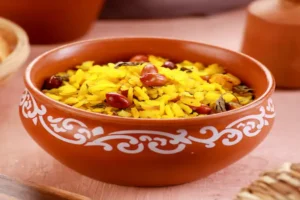
| Instant noodles | Vegetable poha, upma, millet khichdi |
| Biscuits | Whole fruit, dates, jaggery chikki |
| Packaged energy bars | Homemade laddoos with nuts and seeds |
10 Indian Healthy Evening Snacks for Weight Loss & Cravings
9. Policy and Public Health Measures
- FSSAI Labeling Rules: Mandating red labels for high sugar/salt foods.
- School Canteen Guidelines: Banning junk food sales near schools.
- Global Inspiration: Mexico’s sugar tax and UK’s traffic-light nutrition labels.
India needs stronger policy enforcement to protect public health.
10. Practical Tips for Reducing UPFs in Daily Life
- Read Labels: Watch out for added sugar, hydrogenated oils, and preservatives.
- Follow the 80/20 Rule: Eat 80% whole foods, 20% packaged foods.
- Plan Weekly Meals: Pre-cooked dals, sprouts, and millet meals save time.
- Snack Smart: Keep fruits, nuts, and roasted snacks at home.
- Teach Kids Early: Replace biscuits with fruit or homemade snacks.
11. Conclusion
Ultra-processed foods are one of the biggest drivers of obesity in India. They may be cheap, tasty, and convenient, but the long-term cost to health is enormous.
By making small swaps, reading labels, and choosing real foods like dal, sabzi, roti, fruits, and millets, Indians can fight obesity and lifestyle diseases.
12. FAQs
Q1. What are examples of ultra-processed foods in India?
A: Instant noodles, chips, biscuits, packaged juices, and sugary drinks.
Q2. Why do ultra-processed foods cause obesity?
A: They are calorie-dense, nutrient-poor, and designed to make you overeat.
Q3. Are all processed foods bad?
A: No. Frozen veggies, pasteurised milk, and whole flour are processed but healthy. UPFs are the problem.
Q4. Can I eat UPFs sometimes?
A: Yes, occasional intake is fine, but regular consumption increases obesity and health risks.
Q5. What are the best alternatives to junk food in India?
A: Roasted chana, makhana, poha, buttermilk, fresh fruit, and millet snacks.