


Introduction
Vitamin B12 is a crucial nutrient for maintaining nerve health, red blood cell formation, and brain function. While severe deficiency is widely recognized, a lesser-known concern lies in the “grey zone” of Vitamin B12 levels—a range where lab values appear normal, but the body may still be functionally deficient.
If you’ve been experiencing fatigue, tingling, numbness in hands and feet, or brain fog, this hidden deficiency could be the reason.
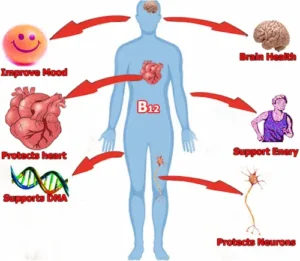
What is Vitamin B12 and Why is it Important?
Vitamin B12 (cobalamin) plays a vital role in:
- Maintaining healthy nerve cells
- Supporting DNA synthesis
- Producing red blood cells
- Preventing megaloblastic anemia

A deficiency can lead to:
- Persistent fatigue
- Numbness or tingling in hands and feet
- Memory problems
- Mood changes
Understanding Normal vs Deficient B12 Levels
The commonly accepted reference range for Vitamin B12 is:
- Normal: 200–900 pg/mL
- Deficient: Below 200 pg/mL
However, this classification misses a critical range:
200–400 pg/mL = The “Grey Zone”
In this range, patients may:
- Have normal blood levels
- But still experience functional deficiency at the cellular level
This means your body cannot effectively use Vitamin B12, even though it appears sufficient in blood tests.
What is Functional Vitamin B12 Deficiency?
Functional deficiency occurs when:
- Vitamin B12 is not properly utilized inside cells
- Enzymatic reactions dependent on B12 are impaired
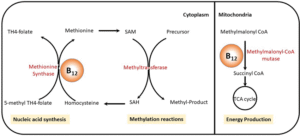
This can result in:
- Elevated Methylmalonic Acid (MMA)
- Increased homocysteine levels
- Neurological symptoms despite “normal” B12 lab values
How to Detect the Grey Zone Deficiency
Routine blood tests may miss this condition. To accurately diagnose functional B12 deficiency, you should consider:
- MMA Test (Methylmalonic Acid Test)
- Most sensitive marker of B12 deficiency
- Elevated levels indicate cellular-level deficiency
- BOSS Test (B12 Oral Supplementation Screening)
- Helps assess absorption and utilization
- Useful in borderline cases
👉 These tests are especially important if symptoms persist despite “normal” B12 levels.
Methylcobalamin vs Cyanocobalamin: Which is Better?
There are two commonly used forms of Vitamin B12:
Methylcobalamin
- Active form of Vitamin B12
- Better for neurological health
- Directly utilized by the body
- Preferred in cases of nerve symptoms
Cyanocobalamin
- Synthetic form
- Needs conversion in the body
- More stable and commonly used in supplements
- Cost-effective
👉 Verdict:
For most individuals, especially with neurological symptoms, Methylcobalamin is the better choice. But Cynocobalamine is cheaper and equally effective in person who donot have neurological symptoms.
Oral vs Injectable Vitamin B12: Which Route is Effective?
Oral Supplements
- Effective for mild to moderate deficiency
- Convenient and non-invasive
- High-dose oral B12 can be absorbed passively
Injectable Vitamin B12
- Best for:
- Severe deficiency
- Neurological symptoms
- Malabsorption (e.g., pernicious anemia)
- Faster correction of levels
👉 Clinical Insight:
- Oral therapy works well in most cases
- In the grey zone with symptoms, a short course of injectable therapy may provide quicker relief
Who is at Risk of Grey Zone B12 Deficiency?
You may be at higher risk if you are:
- Vegetarian or vegan
- Elderly
- On long-term metformin or antacids
- Having gut disorders (IBS, celiac disease)
- Experiencing chronic fatigue or neuropathy
Key Takeaways
- Vitamin B12 levels between 200–400 pg/mL may indicate a hidden deficiency
- Symptoms matter more than lab values alone
- MMA test is crucial for detecting functional deficiency
- Methylcobalamin is generally superior for nerve health
- Both oral and injectable routes are effective depending on severity
FAQs
- Can I have normal B12 levels and still feel deficient?
Yes, this is called functional deficiency, common in the grey zone (200–400 pg/mL).
- How do I confirm B12 deficiency in borderline cases?
Through MMA testing or BOSS test, which detect cellular deficiency.
- Is methylcobalamin better than cyanocobalamin?
Yes, especially for neurological symptoms and better bioavailability.
- Are injections necessary for everyone?
No. They are mainly for severe cases or poor absorption.
- How long does it take to recover from B12 deficiency?
It may take weeks to months, depending on severity and treatment route.
Final Words
The grey zone of Vitamin B12 deficiency is often overlooked but clinically significant. If you have persistent symptoms despite “normal” levels, it’s time to look beyond standard tests and explore functional markers.
Early detection and the right form of supplementation can prevent long-term neurological damage and restore energy levels effectively.
