

Introduction
Protecting your skin from harmful sun exposure is one of the most important steps in maintaining overall skin health. Sunscreen use is not just a seasonal habit—it should be part of your everyday skincare routine. Whether you’re stepping outside or staying indoors, UV exposure can silently damage your skin.
In this guide, you’ll learn how sunscreen works, how to choose the right one, and how to apply it correctly for maximum protection.
Why Sunscreen Use Is Essential
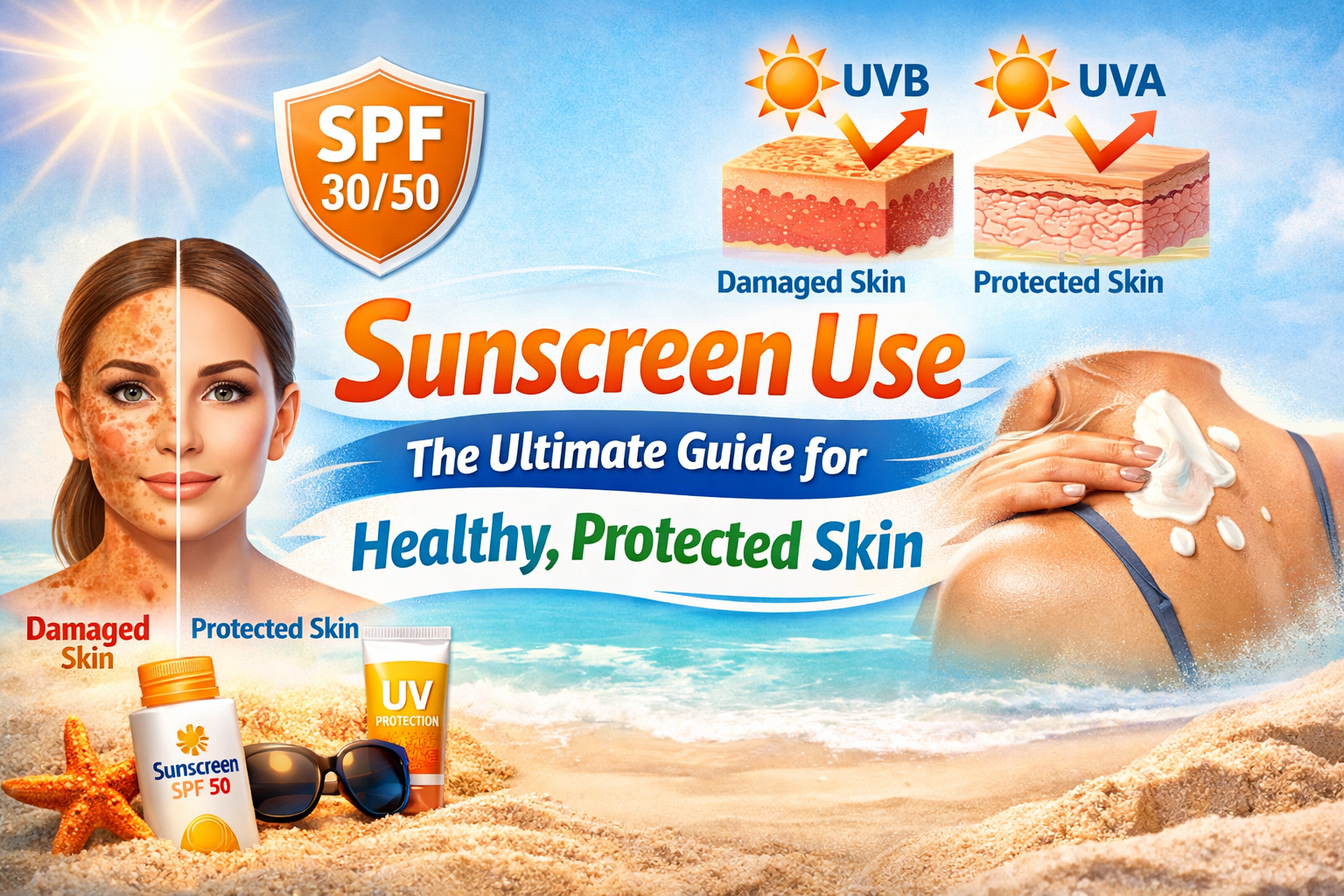
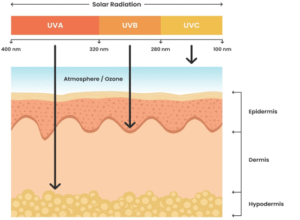
Sunlight emits harmful ultraviolet radiation that affects your skin in multiple ways:
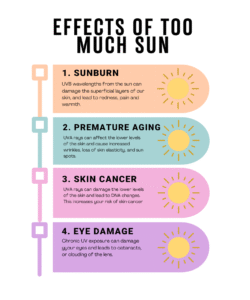
- UVA rays cause premature aging and wrinkles
- UVB rays lead to sunburn and skin damage
Regular use of sunscreen helps:
- Prevent sunburn and tanning
- Reduce risk of skin cancer
Tip: Pair sunscreen with a moisturizer and Vitamin C serum for maximum skin protection and glow.

Understanding SPF – What Do the Numbers Mean?
SPF (Sun Protection Factor) measures how well sunscreen protects your skin from UVB rays.
- SPF 15 – Blocks about 93% of UVB rays
- SPF 30 – Blocks about 97%
- SPF 50 – Blocks about 98%
For daily wear, SPF 30 or higher is recommended.
Types of Sunscreen – Which One is Right for You?
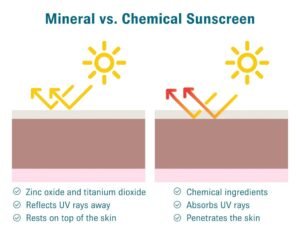
1. Chemical Sunscreen
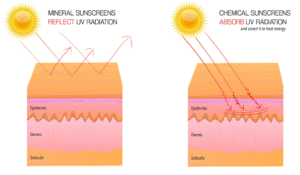
- Absorbs UV rays and converts them to heat
- Lightweight and easy to blend
- Best for everyday use under makeup
- Popular options: Avobenzone, Oxybenzone-based formulas
2. Mineral (Physical) Sunscreen
- Uses zinc oxide or titanium dioxide to reflect UV rays
- Great for sensitive skin
- Works immediately after application
Choosing Sunscreen for Your Skin Type
Oily & Acne-Prone Skin
- Go for oil-free, matte finish formulas
- Look for labels like “non-comedogenic”
💡 Recommended: Neutrogena Ultra Sheer Dry-Touch SPF 50
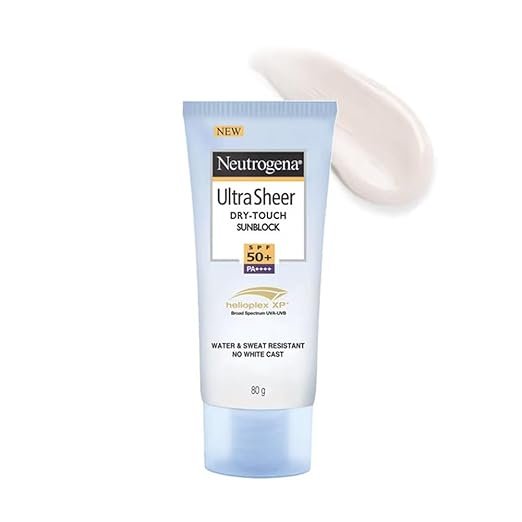
Neutrogena Ultrasheer Sunscreen SPF 50+ PA++++
- Water Resistant,
Ultra Light
Non Sticky
Dry Skin
- Choose hydrating sunscreens with hyaluronic acid or glycerin
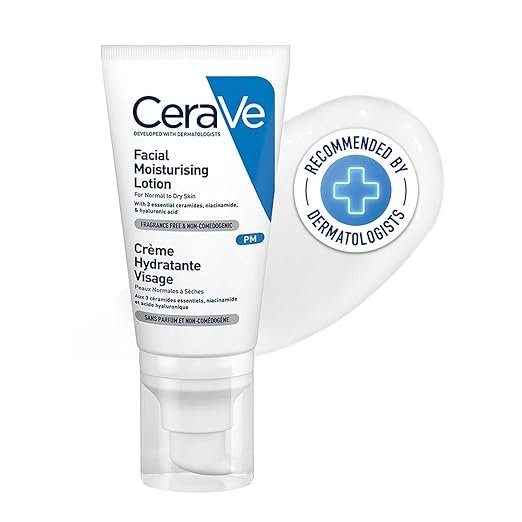
💡 Recommended: CeraVe Hydrating Mineral Sunscreen SPF 30
Sensitive Skin
- Pick mineral sunscreens with zinc oxide
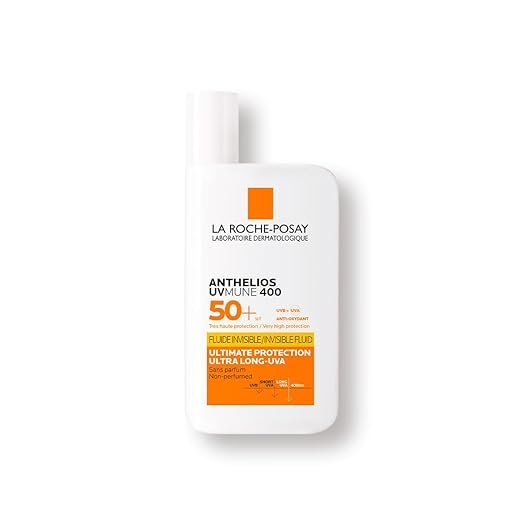
💡 Recommended: La Roche-Posay Anthelios Mineral SPF 50
Outdoor Activities & Swimming
- Opt for water-resistant sunscreen
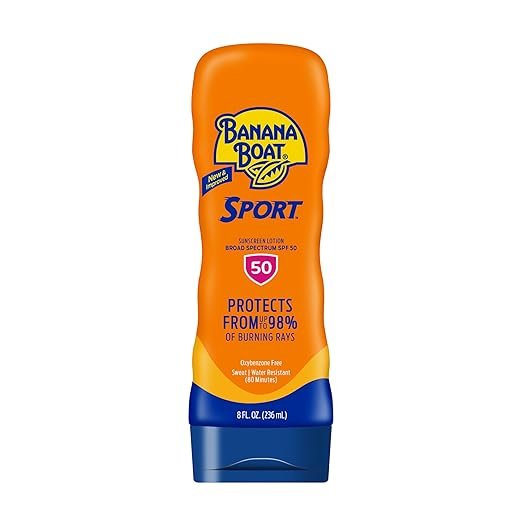
💡 Recommended: Banana Boat Ultra Sport SPF 50
How to Apply Sunscreen Correctly
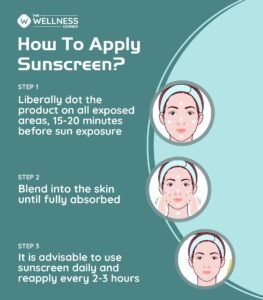
- Apply 15–20 minutes before sun exposure
- Use about half a teaspoon for the face and neck
- Reapply every 2 hours, or after swimming/sweating
- Don’t forget ears, neck, and hands
Sunscreen Myths Busted
Myth 1: You don’t need sunscreen on cloudy days
UV rays can penetrate clouds—always wear sunscreen.
Myth 2: Dark skin doesn’t need sunscreen
All skin tones can get UV damage.
Myth 3: Makeup with SPF is enough
Makeup SPF fades quickly—apply sunscreen underneath.
FAQ – Sunscreen and Skin Protection
1. Should I wear sunscreen indoors?
Yes! UV rays can pass through windows, so indoor wear is recommended.
2. Can I use body sunscreen on my face?
It’s better to use a sunscreen made for the face—it’s gentler and less likely to clog pores.
3. When should I reapply sunscreen?
Every 2 hours when outdoors, or immediately after swimming/sweating.
4. Is higher SPF always better?
SPF 30–50 is ideal. Very high SPF gives slightly more protection but doesn’t last longer.
5. Can I use sunscreen at night?
No need—save it for daylight hours.
Final Thoughts – Protect Your Skin Today
Sunscreen is a skincare essential you can’t skip. Whether you have oily, dry, or sensitive skin, there’s a perfect sunscreen for you. Regular use not only keeps your skin looking youthful but also protects it from long-term damage.