

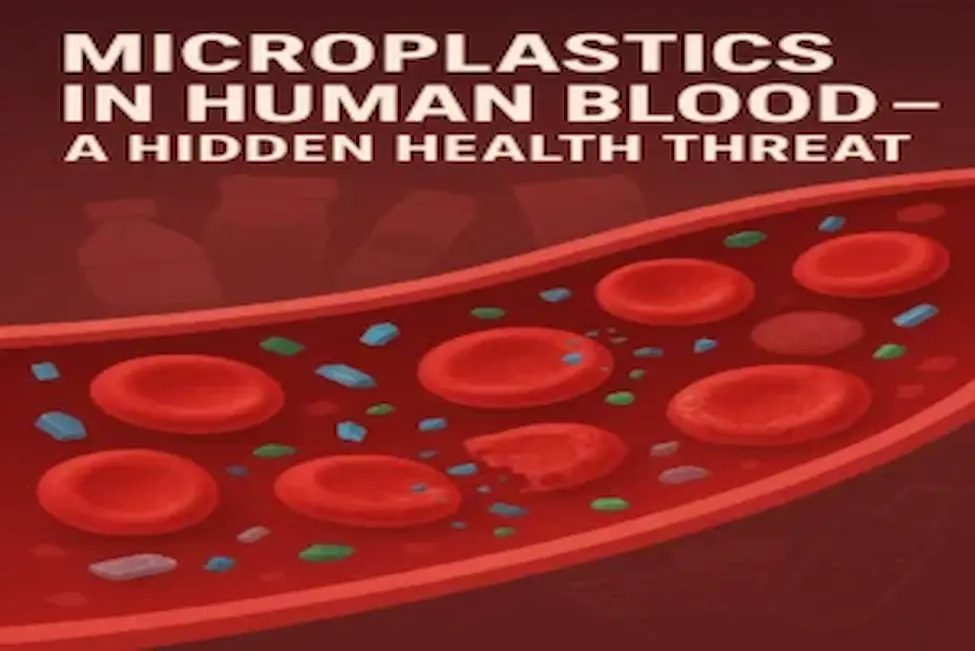

A Hidden Health Threat in Our Bloodstream
Plastic is everywhere – from packaging to cosmetics – but a new meta-analysis reveals an alarming truth: microplastics (tiny fragments less than 5 mm, and nanoplastics even smaller) are now present in human blood. Even more concerning, they are not just passing through our bodies but directly interacting with red blood cells (RBCs) – the oxygen carriers of life.
The systematic review and meta-analysis, which examined over 60 studies, confirms that microplastics damage RBCs, causing oxidative stress, structural deformities, and reduced oxygen transport. This finding raises urgent questions about how plastic pollution is silently affecting human health.
Key Findings from the Study
- Microplastics Damage Red Blood Cells
- Exposure to micro- and nanoplastics leads to hemolysis (breakdown of RBCs), oxidative stress, and changes in cell shape.
- RBCs lose their flexibility, becoming less effective in transporting oxygen.
- Human Blood Already Contains Microplastics
- Studies confirm that plastics like polyethylene terephthalate (PET), polystyrene (PS), and polyethylene (PE) were found in 77% of tested human blood samples.
- This means microplastics are not just an environmental problem – they are now circulating inside us.
- Cardiovascular and Immune Risks
- Damaged RBCs can trigger clotting, inflammation, and vascular dysfunction, raising the risk of hypertension, stroke, and heart disease.
- Nanoplastics are especially dangerous as they can cross biological barriers, including the blood-brain barrier, potentially affecting neurological health.
- Not All Plastics Are Equal
- While polystyrene and polyethylene show high toxicity, some biodegradable plastics such as PHBV/PCL microparticles did not cause RBC damage, suggesting safer alternatives exist.
- Food and Medical Sources of Exposure
- Seafood, packaged foods, bottled water, and even medical infusion therapies may introduce microplastics directly into the bloodstream.
Why This Matters
RBCs are vital for oxygen delivery. Even slight damage can disturb circulation and organ function. With the world producing over 390 million tonnes of plastic annually, human exposure is inevitable. Vulnerable populations such as children, pregnant women, and industrial workers face even higher risks.
The research concludes that microplastics are “a novel class of hemato-toxicants and vascular disruptors”, with potential to reshape how we understand environmental pollutants and their effect on public health.
What Can Be Done?
- Policy Action: Stricter regulation on plastic packaging and single-use plastics.
- Medical Caution: Monitoring of plastic contamination in IV fluids, medical devices, and food products.
- Lifestyle Choices: Prefer glass/steel containers, reduce use of bottled water, and choose eco-friendly packaging.
- Future Research: Long-term human studies are needed to understand how chronic microplastic exposure leads to anemia, cardiovascular disease, and neurological effects.
FAQ: Microplastics and Human Blood
Q1. What are microplastics?
Microplastics are plastic fragments smaller than 5 mm, often released from packaging, clothing fibers, cosmetics, and industrial waste.
Q2. How do microplastics enter human blood?
They enter through food, drinking water, inhaled air, and even medical treatments such as plastic-based infusion therapies.
Q3. What happens when microplastics reach red blood cells?
They cause oxidative stress, membrane damage, and hemolysis, reducing RBCs’ ability to carry oxygen effectively.
Q4. Are nanoplastics more dangerous than microplastics?
Yes. Their smaller size allows them to cross barriers like the blood-brain barrier, posing risks to the nervous system in addition to blood health.
Q5. Can reducing plastic usage lower risk?
Yes. Using glass or stainless steel bottles, avoiding plastic food packaging, and supporting biodegradable alternatives can reduce exposure.
Q6. What diseases are linked to microplastic exposure?
Preliminary evidence connects microplastics with hypertension, anemia, clotting disorders, stroke, and cardiovascular complications.
Read in detail


Yes it’s a critical burning Public health issue…which cannot be ignored