
Introduction
Modern life often forces us into a sedentary lifestyle—long working hours at a desk, dependence on digital entertainment, and reduced outdoor activities. According to the World Health Organization (WHO), adults should engage in at least 150 minutes of moderate-intensity aerobic activity per week or 75 minutes of vigorous activity to maintain good health [WHO, 2020].
But many people hesitate to start exercising. Common concerns include lack of time, fear of injuries, or confusion about what workouts are best for beginners. The good news is that exercise doesn’t have to be complicated or intimidating. With the right guidance, anyone can start moving and enjoy the benefits.
This article will provide a comprehensive beginner’s guide—covering types of exercises, benefits, safety tips, workouts for special conditions like pregnancy and senior health, and even new trends like reformer Pilates.
What is Exercise?
At its core, exercise is planned, structured, and repetitive physical activity aimed at improving or maintaining health and fitness. While activities like walking to the market or gardening are forms of physical activity, exercise is more intentional and goal-oriented.
Exercise is usually divided into four main categories:
- Cardio (Aerobic exercise): Improves endurance and heart health.
- Strength training (Anaerobic exercise): Builds muscle and increases metabolism.
- Flexibility training: Improves mobility and prevents injuries.
- Balance training: Enhances stability, especially for seniors.
Understanding these categories helps beginners choose the right workout for their goals.
Types of Exercise
1. Cardio (Aerobic Exercise)
Cardio is any movement that raises your heart rate and breathing for an extended period. Examples include brisk walking, jogging, cycling, swimming, and even dancing.

Benefits of Cardio:
- Improves cardiovascular health.
- Aids in weight management.
- Boosts mood and reduces stress through endorphin release.
- Enhances lung capacity.
Beginner-Friendly Cardio Routine:
- Start with 10–15 minutes of brisk walking daily.
- Gradually increase to 30 minutes of moderate activity, five days a week.
- Use apps or step counters to stay motivated.
2. Strength Training (Anaerobic Exercise)
Strength training builds muscles and increases metabolism. Contrary to the myth, it’s not just for bodybuilders—everyone benefits from stronger muscles.
Examples:
- Bodyweight exercises: push-ups, planks, squats, lunges.
- Using resistance bands or light dumbbells.
- Weight machines at the gym.

Benefits of Strength Training:
- Increases bone density, reducing osteoporosis risk.
- Helps maintain healthy body weight.
- Improves functional strength for daily activities.
Beginner-Friendly Routine:
- Start with two sessions per week.
- 8–10 exercises covering major muscle groups.
- Perform 8–12 repetitions per exercise.
3. Flexibility Training
Flexibility workouts stretch muscles and improve the range of motion around joints.
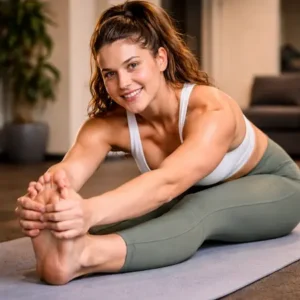
Examples:
- Static stretching (holding stretches for 20–30 seconds).
- Dynamic stretching (controlled leg and arm swings).
- Yoga and Pilates.
Benefits:
- Reduces stiffness and muscle soreness.
- Enhances posture and alignment.
- Prevents injuries during other workouts.
Daily Flexibility Routine for Beginners:
- Neck rolls, shoulder stretches, hamstring stretches, and cat-cow yoga pose.
- 10 minutes of stretching after workouts or before bed.
4. Balance Training
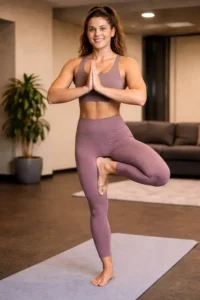
Balance is critical for fall prevention in older adults and also enhances athletic performance.
Examples:
- Standing on one leg for 20–30 seconds.
- Heel-to-toe walking.
- Tai Chi and yoga poses like Tree Pose.
Benefits:
- Improves body stability.
- Reduces risk of injuries.
- Enhances coordination.
Benefits of Exercise
Exercise is one of the most powerful tools for improving quality of life. Its benefits span physical, mental, and social health.
Physical Benefits:
- Weight management and fat loss.
- Stronger heart and lungs.
- Reduced risk of chronic illnesses such as type 2 diabetes, hypertension, and certain cancers [CDC, 2022].
- Better immunity and metabolism.
Mental Benefits:
- Reduces symptoms of depression and anxiety.
- Improves focus, memory, and creativity.
- Promotes restful sleep.
Social Benefits:
- Group workouts provide accountability.
- Sports encourage teamwork and discipline.
- Creates opportunities for new friendships.
How to Start Exercising
Starting small is the secret to consistency.
Step 1: Set Realistic Goals
- Decide if your aim is weight loss, muscle gain, better flexibility, or stress relief.
Step 2: Choose the Right Exercise
- Walking, yoga, and home bodyweight routines are great starting points.
- Choose something you enjoy to stay consistent.
Step 3: Start Slow
- Begin with 10–15 minutes daily and gradually increase.
- Don’t push your body too fast.
Step 4: Track Progress
- Use apps, journals, or fitness watches.
- Celebrate small milestones.
Tips for Exercising Safely
Safety ensures long-term consistency without injuries.
- Always warm up and cool down.
- Stay hydrated and fuel your body with balanced nutrition.
- Invest in good shoes to prevent joint strain.
- Rest at least one day a week.
- Consult a doctor before starting if you have chronic conditions.
Exercise During Special Conditions
1. Exercise During Pregnancy
Staying active during pregnancy offers many benefits, including better mood, less back pain, and easier labor.
Safe Options:
- Walking, swimming, prenatal yoga.
- Light strength training under guidance.
Avoid:
- High-impact sports, heavy lifting, or lying flat on your back after the first trimester.
2. Exercise for Seniors
Older adults benefit immensely from gentle exercise.
Examples:
- Chair yoga, light dumbbell workouts, and short walks.
- Stretching for joint flexibility.
- Balance training to reduce falls.
Benefits:
- Increases independence.
- Improves mental sharpness.
- Delays age-related decline.
Reformer Pilates – A Modern Fitness Trend
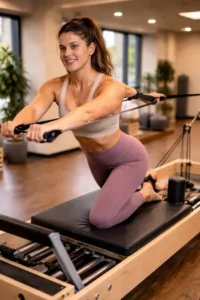
Reformer Pilates is a form of exercise performed on a special machine called a reformer that uses springs, straps, and pulleys to add resistance.
Benefits:
- Builds core strength.
- Improves posture and flexibility.
- Provides low-impact but high-efficiency workouts.
It is especially popular among those recovering from injuries, athletes looking to improve performance, and office workers with back pain. Beginners should start with guidance from a certified instructor.
Conclusion
Exercise is not about perfection—it’s about progress and consistency. Whether you choose cardio, strength training, yoga, or Pilates, the key is to stay active and enjoy the journey.
Remember:
- Start small.
- Stay consistent.
- Listen to your body.
The best workout is the one you actually do. Begin today, and your future self will thank you.