
Introduction:
Childhood obesity is no longer just about “eating too much and moving too little.” It is a complex metabolic and behavioral condition shaped by genetics, environment, and—most importantly—the everyday decisions made at the dining table.
In today’s fast-paced world, what children eat is deeply influenced by how parents feed them, making family dynamics one of the most powerful drivers of long-term health.
Understanding Childhood Obesity: More Than Just Weight Gain
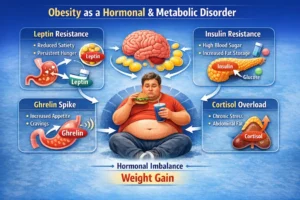
Childhood obesity is a multifactorial condition, involving:
- Genetic predisposition – Some children are biologically more prone to gaining weight
- Environmental exposure – Availability of processed foods and sedentary lifestyle
- Behavioral patterns – Eating habits shaped early in life
But one of the most overlooked factors is parental feeding behavior, which silently programs a child’s relationship with food.
The Role of Mothers and Primary Caregivers
The mother or primary caregiver often plays a central role in shaping a child’s eating habits.
Key Influences:
- Meal timing – Irregular meals disrupt hunger hormones
- Portion control – Overfeeding can override natural satiety signals
- Food exposure – Early exposure to sugary foods increases long-term cravings
- Vegetable intake – Early habits determine future dietary preferences
Research shows that maternal feeding patterns directly influence calorie intake and long-term BMI.
Common Patterns:
- Encouraging children to “eat more” even when full
- Using food as a comfort tool
- Introducing sugary snacks early
These habits may appear nurturing but can alter metabolism and appetite regulation over time.
The Father’s Role: The “Reward System”
Fathers often contribute in a different but equally impactful way—through reward-based feeding.

Typical Behaviors:
- Offering junk food as a reward
- Celebrating achievements with sugary drinks or fast food
- Associating food with emotional bonding and happiness
This creates a powerful psychological link:
“Good behavior = Junk food reward”
Over time, children begin to seek high-calorie foods for emotional satisfaction, increasing the risk of obesity.
Two Major Feeding Styles That Shape Childhood Obesity
-
Permissive Feeding Style (Too Lenient)
- No strict rules about food
- High availability of sugary snacks
- Eating driven by child’s demands
Often driven by love and emotional attachment


Impact:
- Poor self-control
- Increased sugar consumption
- Higher risk of obesity
-
Authoritarian Feeding Style (Too Strict)
- Forced eating (“Finish your plate”)
- Strict control over food choices
- Limited flexibility
Impact:
- Food obsession
- Secret eating or binge eating
- Disrupted hunger cues
The Hidden Danger: Food Obsession and Binge Patterns
Both extremes—permissive and authoritarian—can lead to:
- Emotional eating
- Binge eating tendencies
- Loss of hunger-satiety balance
Children may either:
- Eat excessively due to lack of boundaries
OR - Develop obsession due to excessive restriction
The Ideal Approach: Balanced and Structured Feeding
The solution lies in a middle-path parenting style—structured yet flexible.
Key Principles:
✔ Fixed meal timings
✔ Portion guidance without force
✔ Healthy choices with child involvement
✔ Limited but not banned junk food
✔ Encouraging mindful eating
This is often called a “consultative feeding style”, where:
- Parents guide
- Children participate
This builds healthy autonomy and lifelong eating habits
Practical Tips for Parents
- Avoid using food as a reward or punishment
- Introduce vegetables early and repeatedly
- Maintain family meals without screens
- Allow children to recognize hunger and fullness cues
Keep junk food occasional, not emotional
Conclusion
Childhood obesity is not just a medical issue—it is a family behavior pattern shaped daily at the dining table.
A child’s future health depends less on strict dieting and more on: Balanced parenting, mindful feeding, and consistent routines
By moving away from extremes and adopting a structured, supportive, and consultative approach, we can help children develop a healthy relationship with food—and a healthier life ahead.
FAQs on Childhood Obesity
- What is the main cause of childhood obesity?
Childhood obesity is caused by a combination of genetics, environment, and parental feeding behaviors, rather than a single factor.
- How do parents influence a child’s weight?
Parents influence meal timing, portion size, food choices, and emotional associations with food, all of which affect long-term BMI.
- Is restricting junk food completely a good idea?
No. Complete restriction may lead to food obsession and binge eating. Moderation works better.
- What is the best feeding style for children?
A balanced, consultative approach with structure and flexibility is the most effective.
- Can early feeding habits affect adulthood obesity?
Yes. Early exposure to sugary foods and poor eating habits can program long-term metabolic and behavioral patterns.