
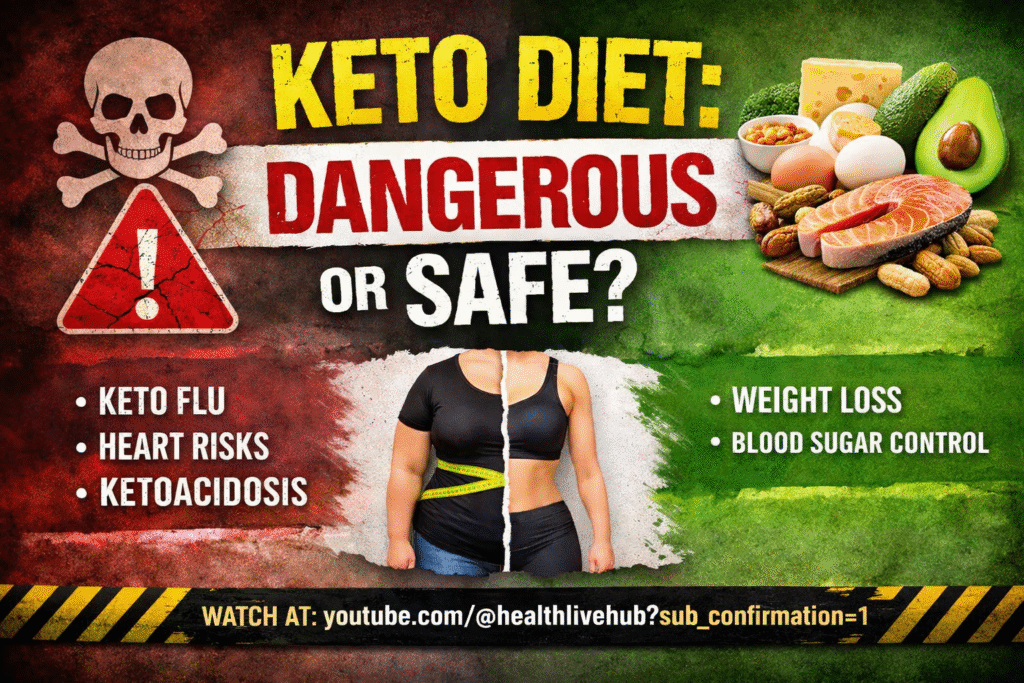
Keto Diet: Dangerous or Safe? A Complete Evidence-Based Guide


Introduction
The ketogenic diet—popularly known as the keto diet—has taken the health and fitness world by storm. Promoted by celebrities and widely shared on social media, it is often portrayed as a “magic solution” for rapid weight loss and improved health. But beneath the hype lies an important question: Is the keto diet truly safe, or could it be dangerous?
In this blog, we’ll explore both sides of the debate using scientific insights and practical understanding to help you make an informed decision.
What is the Keto Diet?
The ketogenic diet is a low-carbohydrate, high-fat diet that drastically reduces carbohydrate intake (usually below 50 grams per day) and replaces it with fats.
The goal is to push the body into a metabolic state called ketosis, where it burns fat instead of glucose for energy.
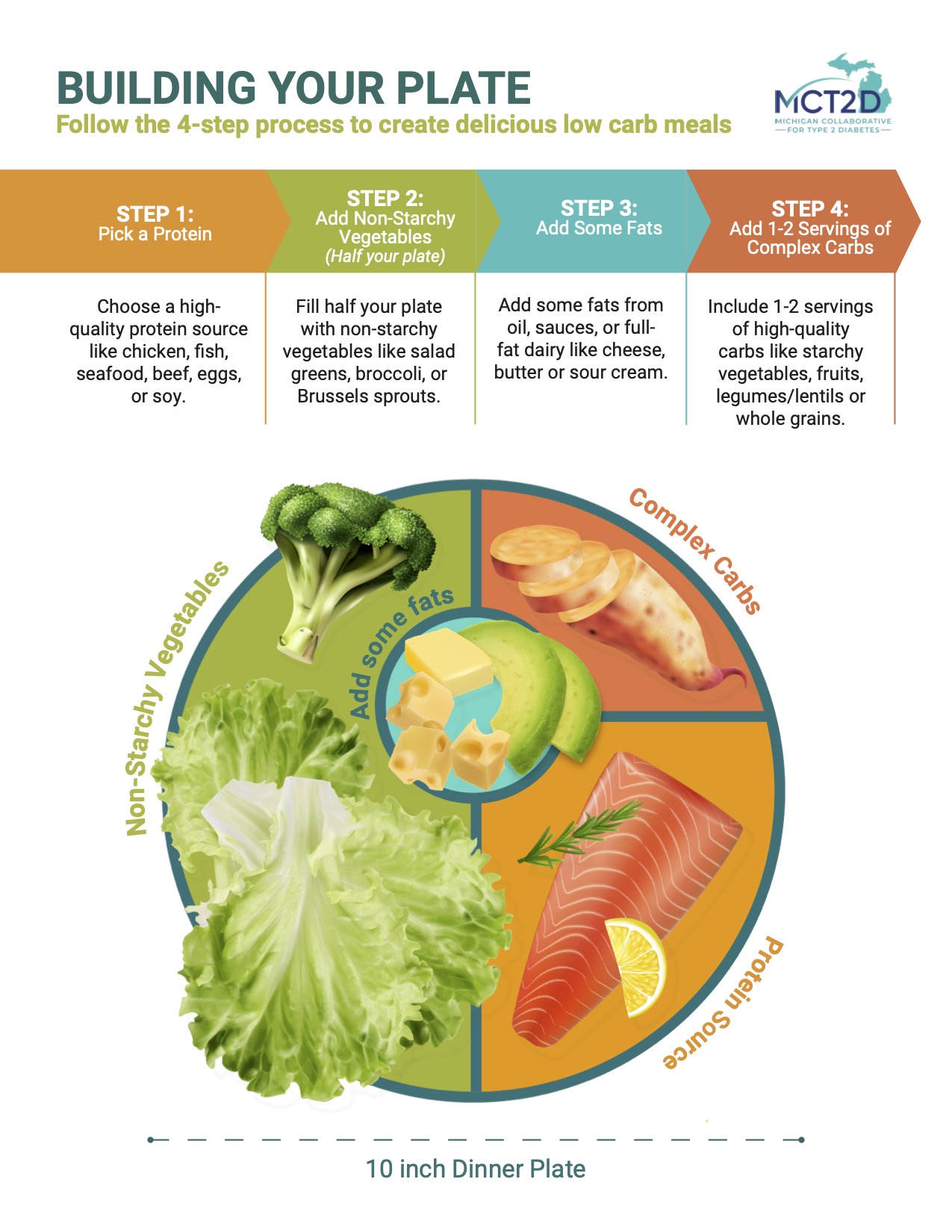
Typical Macronutrient Breakdown:
- 70–75% fat
- 20–25% protein
- 5–10% carbohydrates
Foods commonly included:
- Healthy fats (avocado, nuts, olive oil)
- Animal products (eggs, meat, cheese)
- Low-carb vegetables
Foods restricted:
- Grains, fruits, sugar, and most processed carbs
How Does Keto Work?
Under normal conditions, your body uses glucose (from carbohydrates) as its primary fuel. When carbs are severely restricted, the body starts breaking down fat into ketones, which serve as an alternative energy source.

This shift is what drives:
- Rapid weight loss
- Reduced appetite
- Changes in metabolism
Potential Benefits of the Keto Diet
1. Effective Weight Loss
One of the biggest reasons people adopt keto is for quick weight loss. The reduction in carbs leads to:
- Lower insulin levels
- Increased fat burning
- Reduced hunger
2. Blood Sugar Control
Keto may help improve glycemic control, making it useful for individuals with type 2 diabetes (under medical supervision).
3. Neurological Benefits
The keto diet has long been used in managing epilepsy, particularly in children. Some research suggests potential benefits for brain health.
4. Reduced Cravings
Many individuals report feeling fuller for longer, leading to reduced calorie intake.
The Dangers of the Keto Diet
Despite its benefits, keto is not without risks. Here are some scientifically recognized concerns:
1. The “Keto Flu”
When transitioning into ketosis, many people experience flu-like symptoms such as:
- Fatigue
- Headache
- Nausea
- Dizziness
This occurs because the body is adapting to a completely new metabolic state.
2. Digestive Issues
Reducing carbohydrates also means reducing fiber intake, which can lead to:
- Constipation or diarrhea
- Poor gut health
High fat intake can further worsen digestion in some individuals.
3. Reduced Athletic Performance
While some claim keto improves endurance, research suggests otherwise:
- Increased acidity from ketones may lead to faster fatigue
- High-intensity performance may decline
4. Risk of Ketoacidosis (Rare but Serious)
Although rare, a dangerous condition called ketoacidosis can occur, where:
- Blood becomes too acidic
- It can lead to hospitalization
Symptoms include:
- Excessive thirst
- Frequent urination
- Bad breath
- Breathing difficulty
5. Weight Regain
Keto is highly restrictive, making it difficult to sustain long-term. Once normal eating resumes:
- Weight regain is common
- Eating habits often revert
6. Muscle Loss and Metabolic Slowdown
Some weight loss on keto may come from muscle loss, especially if protein intake is inadequate. This can:
- Lower metabolic rate
- Make long-term weight management harder
7. Increased Risk of Heart Disease
High intake of saturated fats (like butter, bacon, cheese) may:
- Raise cholesterol levels
- Increase cardiovascular risk
Some studies suggest that extreme low-carb diets may be linked to higher mortality rates.
Who Should Avoid the Keto Diet?
The keto diet is not suitable for everyone, especially:
- Pregnant or breastfeeding women
- Individuals with liver or kidney disease
- People with eating disorders
- Patients on medications requiring glucose balance
Is Keto Safe or Dangerous?
The answer is not black and white.
✅ Keto Can Be Safe If:
- Followed under medical or dietitian supervision
- Balanced with healthy fats (not just processed fats)
- Monitored regularly for side effects
❌ Keto Can Be Dangerous If:
- Followed blindly without knowledge
- High intake of unhealthy fats
- Ignored warning symptoms
- Continued long-term without monitoring
A More Balanced Approach
Instead of strict keto, many experts recommend a moderate, sustainable approach:
- Reduce refined carbohydrates
- Increase whole foods
- Maintain balanced nutrition
- Focus on long-term habits
Final Verdict
The keto diet is a powerful but restrictive dietary tool. While it can offer short-term benefits like weight loss and improved blood sugar control, it also carries potential risks—especially when followed without proper guidance.
It is not inherently dangerous—but it is not universally safe either.
The best diet is always:
✔ Balanced
✔ Sustainable
✔ Personalized
Conclusion
In the end, keto is not a one-size-fits-all solution. It may work wonders for some and cause problems for others. As with any major dietary change, individualization and professional guidance are key.
Remember: Health is not about extreme diets—it’s about consistency, balance, and informed choices.
Also Read: Obesity is not just that simple-its Hormonal and Neurometabolic crisis!!
[smartslider3 slider=”5″]