Introduction
In today’s health world, prebiotics and probiotics are often spoken about as if they are inseparable twins. But here’s the truth—they are not twins at all.
A better way to understand them is this:
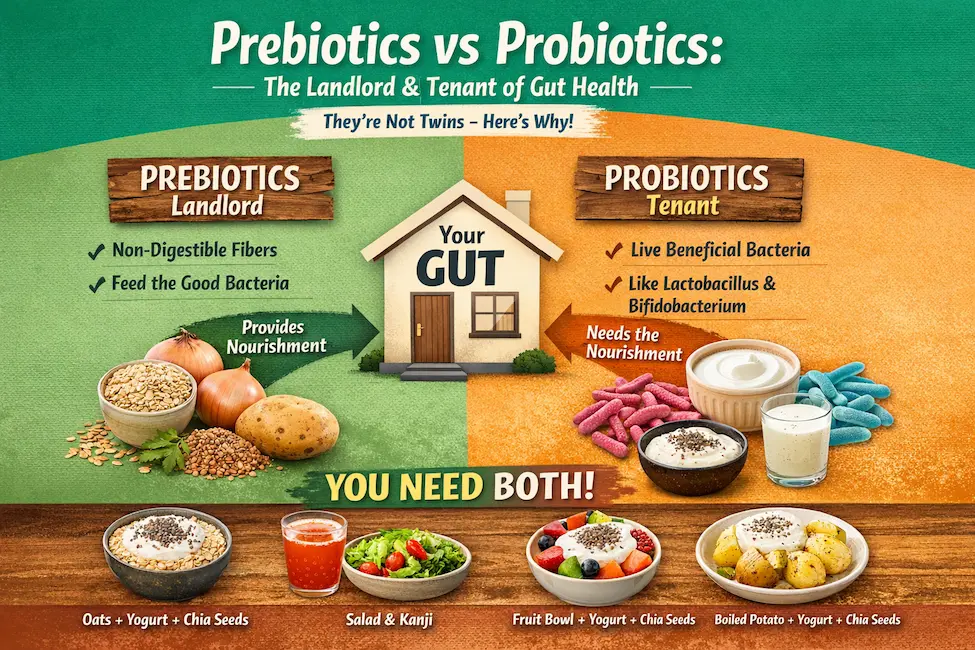
Prebiotics are the landlord
Probiotics are the tenant
And your gut? That’s the house.
Let’s break this down in a simple, practical, and science-backed way so you can actually improve your gut health—not just follow trends.
The Landlord-Tenant Relationship Inside Your Gut
Imagine this:
- The landlord (prebiotics) provides space, support, and nourishment
- The tenant (probiotics) lives, grows, and functions inside that space
If the landlord is missing or weak, what happens?
👉 The tenant struggles to survive
👉 Growth becomes poor
👉 The environment becomes unstable
Similarly, in your gut:
- Without prebiotics, probiotics don’t thrive
- They may survive temporarily—but not function optimally
Key Insight: Taking probiotics alone is like inviting tenants into a house with no electricity, water, or food.
What Are Probiotics? (The “Tenants”)


Probiotics are live beneficial bacteria that support your gut health.
Common strains include:
- Lactobacillus
- Bifidobacterium
Natural sources:
- Dahi (curd/yoghurt)
- Mathaa (buttermilk)
- Fermented foods (like kanji, pickles)
What they do:
- Improve digestion
- Support immunity
- Help reduce bloating
- Balance gut microbiota
But here’s the catch…
👉 They need food to survive.
What Are Prebiotics? (The “Landlord”)
Prebiotics are non-digestible fibers that act as food for probiotics.
Think of them as:
Pizza, Momos
👉 For your gut bacteria
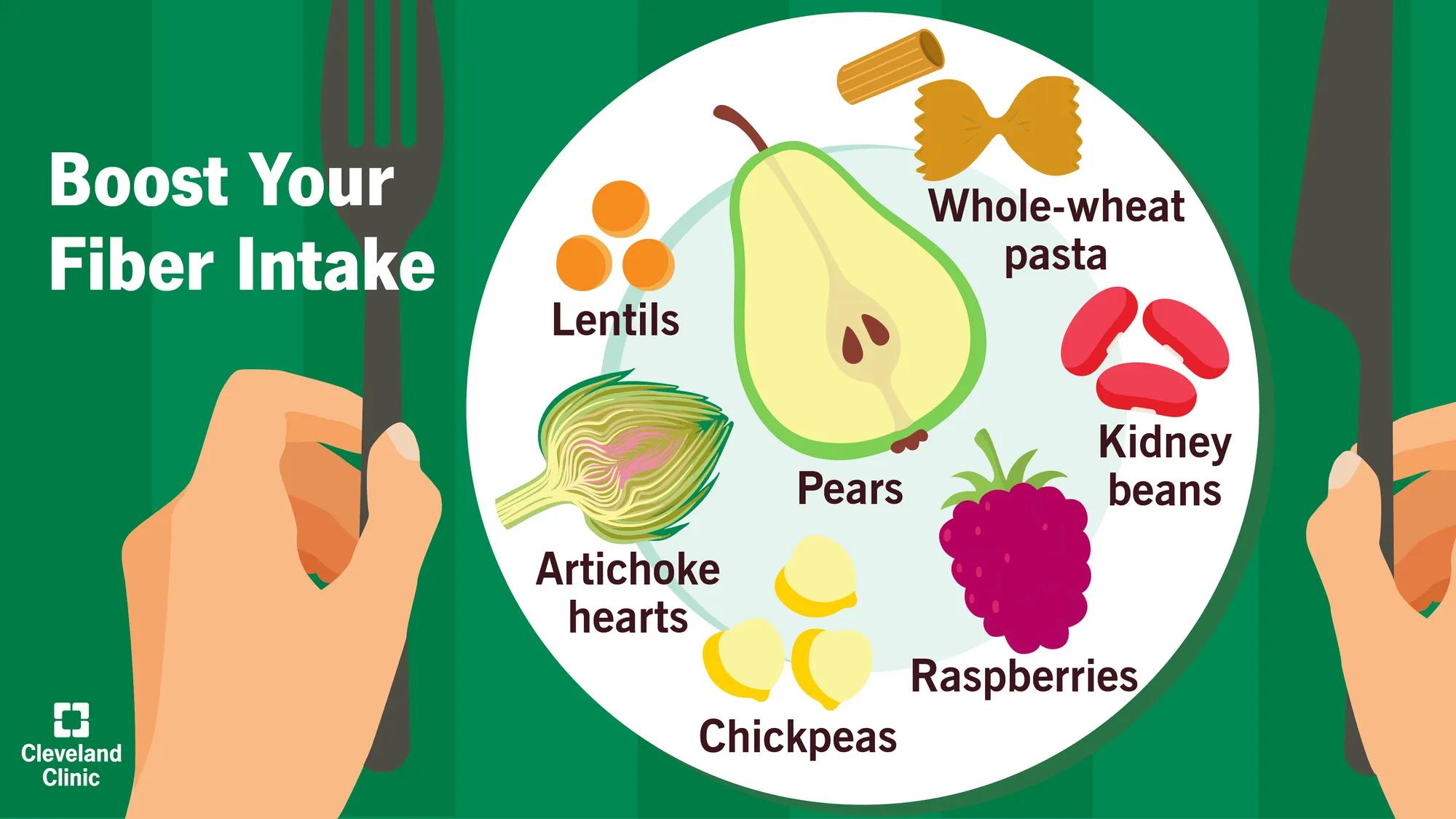


Common prebiotic foods:
- Oats
- Onion
- Potato
- Fruits
- Vegetables
- Chia seeds
- Whole grains
Daily requirement:
👉 20–25 grams of fiber per day
What they do:
- Feed good bacteria
- Promote their growth
- Improve gut environment
- Support metabolism
Without prebiotics, probiotics cannot multiply effectively.
Why Taking Only Probiotics Is Not Enough
Many people take probiotic supplements expecting miracles.
But here’s the reality:
No prebiotics = poor survival of probiotics
Temporary benefit only
Gut imbalance continues
👉 It’s like:
- Tenants living without food
- Surviving, but not thriving
Your gut needs both—together.
The Perfect Gut Health Plate (Real Food, Not Trends)
Your daily plate should look like it’s meant for a living human body, not for social media detox trends.
🚫 Not just juices
🚫 Not extreme diets
👉 Balanced, fiber-rich, and naturally fermented foods
Best Prebiotic + Probiotic Food Combinations
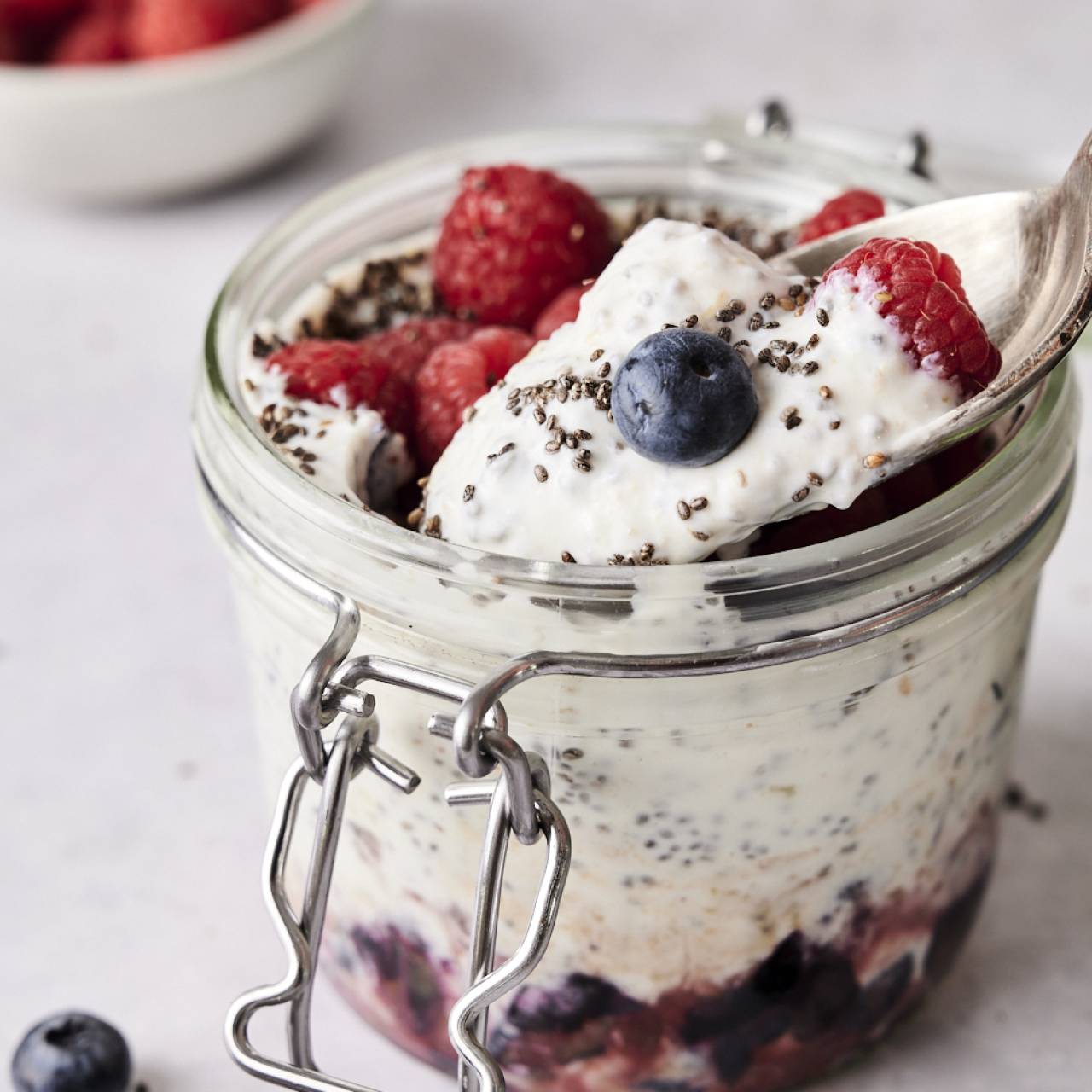

Here are simple, practical combinations you can include daily:


1. Salad + Kanji (Fermented Drink)
- Fiber + live bacteria
- Great for digestion
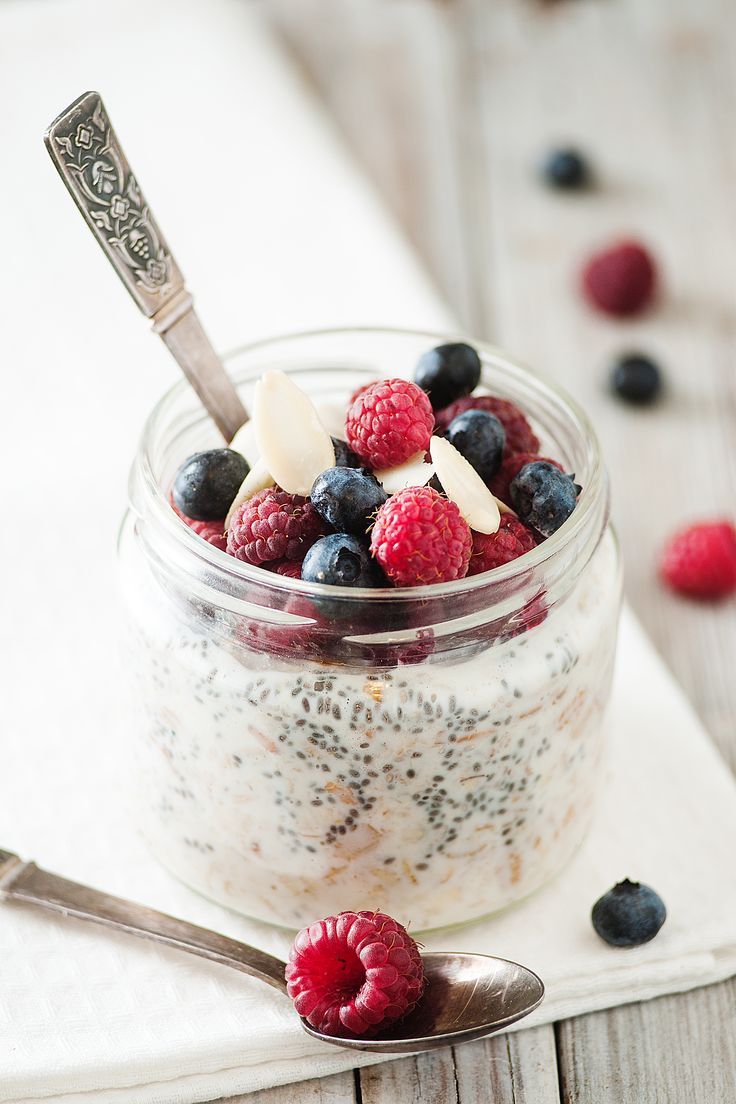
2. Oats + Yoghurt + Chia Seeds
- Powerful breakfast for gut microbiome
3. Fruit Bowl + Yoghurt + Chia Seeds
- Light, refreshing, and nourishing
4. Boiled Potato + Yoghurt + Chia Seeds
- Resistant starch + probiotics combo
Common Mistakes People Make
❌ Following influencer detox diets
❌ Ignoring fiber intake
❌ Taking probiotics without diet correction
❌ Avoiding carbs completely (fiber comes from carbs!)
Gut health is built with consistency, not shortcuts.
Final Takeaway: Build the House Before Inviting Tenants
- Prebiotics = foundation
- Probiotics = function
👉 Without the base, the system collapses
So next time you think about gut health, remember:
✔ Don’t just add probiotics
✔ Feed them with prebiotics
✔ Focus on real, balanced meals
Quick Summary
- Prebiotics and probiotics are not twins—they are a system
- Prebiotics (fiber) feed probiotics (good bacteria)
- Daily fiber intake should be 20–25g
- Best results come from combining both in meals
- Real food beats supplements alone
Frequently Asked Questions (FAQs) on Prebiotics and Probiotics
1. What is the main difference between prebiotics and probiotics?
Prebiotics are non-digestible fibers that feed good bacteria, while probiotics are live beneficial bacteria themselves. Think of prebiotics as food and probiotics as the organisms that eat that food.
2. Can I take probiotics without prebiotics?
Yes, you can—but it’s not very effective long-term. Without prebiotics, probiotics don’t get enough nourishment to grow and function properly. For best results, both should be taken together.
3. What are natural sources of probiotics?
Common natural sources include:
- Dahi (curd/yoghurt)
- Buttermilk (mathaa)
- Fermented foods like kanji and pickles
4. What foods are rich in prebiotics?
Prebiotic-rich foods include:
- Oats
- Onion
- Potato (especially boiled and cooled)
- Fruits and vegetables
- Whole grains
- Chia seeds
5. How much fiber (prebiotics) should I consume daily?
An average adult should aim for 20–25 grams of fiber per day to support healthy gut bacteria and digestion.
6. Are probiotic supplements better than natural foods?
Not necessarily. Natural foods provide probiotics along with other nutrients. Supplements may help in certain conditions, but without proper diet (prebiotics), their benefits are limited.
7. Can prebiotics alone improve gut health?
Prebiotics help nourish existing good bacteria, but if your gut lacks enough beneficial bacteria, adding probiotics can enhance the effect. Ideally, both should be included.
8. What happens if I don’t consume enough prebiotics?
Your gut bacteria may not thrive, leading to:
- Poor digestion
- Bloating
- Reduced immunity
- Imbalanced gut microbiome
9. What is the best time to take probiotics and prebiotics?
They can be taken anytime, but morning or with meals is often recommended for better digestion and absorption.
10. Can I include prebiotics and probiotics in one meal?
Yes, and that’s the best approach! Examples include:
- Oats with yoghurt and chia seeds
- Fruit bowl with yoghurt
- Salad with fermented drinks like kanji
11. Are prebiotics safe for everyone?
Generally yes, but increasing fiber too quickly can cause bloating or gas. It’s best to increase intake gradually and drink plenty of water.
12. Do detox diets improve gut health?
Most detox diets lack fiber and balance. True gut health comes from consistent intake of fiber-rich (prebiotic) and fermented (probiotic) foods, not short-term detox trends.