Introduction
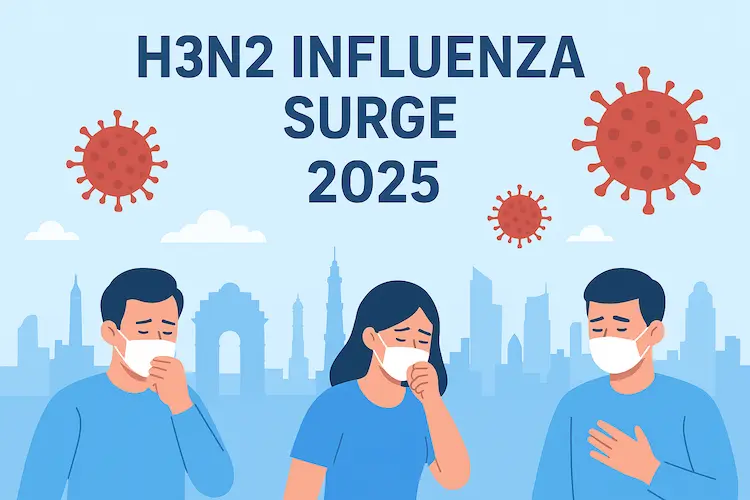
In 2025, India is witnessing a significant rise in cases of H3N2 influenza, a subtype of Influenza A, especially in regions like Delhi-NCR (which includes Delhi, Gurugram, Noida, Faridabad, Ghaziabad) and other urban centres. (www.ndtv.com)
Surveys and health-reports show many households reporting one or more persons with flu-like symptoms: fever, cough, sore throat, fatigue. What’s concerning is that recovery is taking longer than typical seasonal flu, and more people are experiencing complications. (Moneycontrol) This article explains what H3N2 is, how it spreads, current data & impact, symptoms, treatment, prevention, and what you should do if you or someone you know gets ill.

What Is H3N2 Influenza?
- Definition: H3N2 is a subtype of the influenza A virus. The name “H3N2” refers to the specific proteins on the surface of the virus: Haemagglutinin type 3 and Neuraminidase type 2. (www.ndtv.com)
- Seasonal Influenza: Like other influenza A strains (for example H1N1), H3N2 is part of the regular seasonal flu viruses that cause periodic outbreaks. It mutates over time, which means immunity (from past infection or vaccine) may be less effective as strains change. (www.ndtv.com)
- Who is mostly affected: While almost anyone can get infected, people at higher risk include:
- Children (especially very young)
- Elderly people
- Pregnant women
- Individuals with chronic diseases (e.g. asthma, diabetes, heart disease)
- Immunocompromised people (Moneycontrol)

Easily Access Medical Care Abroad. Air Doctor connects travelers to private doctors worldwide. From Germany to New York, we can help you find a doctor.
Current Situation & Statistics in India (2025)
- Rising Cases: Data from the Indian Council of Medical Research (ICMR) shows a steady rise in H3N2 cases since July 2025. For example, positivity rates in tested samples rose from ~0.7% in late July to ~2.8-3.6% in August. (mint)
- Survey: A survey of about 11,000 households showed that 69% of households reported at least one member with viral symptoms (fever, cough, sore throat, etc.). This is up from ~54% earlier in the year. (www.ndtv.com)
- Severity & Healthcare Burden: Many cases are more severe than usual flu. Doctors report:
- Longer duration of fever
- Over-the-counter medicines not always effective
- More hospitalisation among vulnerable groups (Moneycontrol)
Complications observed: Respiratory complications, pneumonia, bronchitis; especially in children and elders. (The Times of India)
Easily Access Medical Care Abroad. Air Doctor connects travelers to private doctors worldwide. From Germany to New York, we can help you find a doctor
Symptoms of H3N2 Influenza
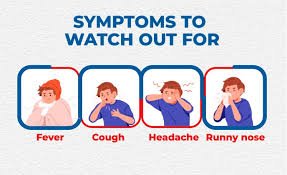
People infected with H3N2 usually show symptoms similar to other influenza viruses, but certain features are being noted more often in this current wave. Symptoms include:
| Common Symptoms | Additional / More Severe Signs |
| Sudden high fever | Fever lasting longer than usual (sometimes over 7-10 days) (Moneycontrol) |
| Dry or wet cough | Persistent cough even after other symptoms reduce (Moneycontrol) |
| Sore throat | Respiratory distress in severe cases (Moneycontrol) |
| Body aches, muscle pain | Weakness, fatigue lasting for many days (www.ndtv.com) |
| Headache, chills | Occasionally vomiting or loose motions especially in children (www.ndtv.com) |
| Nasal congestion or runny nose | Dehydration risks if fluid intake is low, especially in elders or children |
Some people may confuse these symptoms with common cold, or with COVID-19, especially when cough or sore throat is predominant. But with H3N2, doctors are warning that symptoms may linger, and complications are more common in at-risk groups. (Moneycontrol)
Why H3N2 is Concerning Right Now
- Higher Transmission & Mutation: Because influenza viruses like H3N2 mutate continually, they may partially evade immunity from previous infections or vaccinations. This can lead to relatively stronger flu seasons.
- Longer Duration & Severe Symptoms: The current wave shows that many patients are suffering fevers and other symptoms that last longer than usual, and more people are seeing complications. (Moneycontrol)
- Risk for Vulnerable Populations: Children, elderly, people with underlying health conditions are more likely to suffer serious complications, hospitalization, or even death. (www.ndtv.com)
- Healthcare System Strain: Increased cases are leading to more hospital visits, more admissions, longer treatment times. Hospitals may find resources stretched (beds, medicines, ICU capacity) especially in large metro areas. (The New Indian Express)

Treatment & Medical Advice
- When to Seek Medical Help:
- If symptoms are very severe (difficulty breathing, chest pain, high fever not falling, etc.).
- If you are in a high-risk group (elderly, pregnant, chronic illness).
- If symptoms linger beyond ~7-10 days or worsen.
- Antiviral Medication:
Early use of antiviral medicines (like oseltamivir/Tamiflu etc.) can help reduce severity and complications if started within 48 hours of symptom onset. But these should be prescribed by a doctor. (CDC) - Symptomatic Relief:
- Rest
- Stay hydrated (fluids like water, soups)
- Over-the-counter medicines to reduce fever, relieve cough/throat pain (as advised)
- Good nutrition to support immune system
- Monitoring for Complications:
- Watch for signs of pneumonia, breathing difficulty
- Especially for children: dehydration, less urination, lethargy
- For elders: any confusion, shortness of breath, worsening of chronic diseases
Prevention & Safety Measures
Prevention is very important. These are steps that everyone can follow:
- Vaccination
- Annual flu vaccines (especially the quadrivalent vaccine that covers multiple strains) are recommended. They may not fully prevent infection but can reduce severity, hospitalisations, and deaths. (The Times of India)
- Barriers in India include cost (₹1,500-₹2,500 per dose in many cases), awareness, and low inclusion in public immunization programmes. (The Times of India)
- Hygiene Practices
- Wash hands frequently with soap and water
- Use alcohol-based hand sanitizer if soap is not available
- Cover mouth and nose when coughing or sneezing (use tissue or elbow)
- Avoid touching face with unwashed hands ● disinfect surfaces often.
- Masks and Respiratory Etiquette
- Wear masks in crowded or enclosed public places, especially if flu is widespread
- If you are sick, wear a mask to reduce spreading to others
- Avoid Close Contact
- Stay away from people who are sick
- If you’re ill, stay home unless you need medical care
- Limit gathering in crowded places during an outbreak
- Maintain Good General Health
- Balanced diet, adequate sleep, regular exercise
- Avoid smoking; control chronic illnesses well



Government / Health Authority Response
- Health authorities in Delhi and other states are alert and preparing hospitals for the surge.
- Surveys and data collection (e.g. by LocalCircles, ICMR) are ongoing to monitor spread and positivity rates. (www.ndtv.com)
- Advisory warnings made to public: get vaccinated, maintain hygiene, seek medical attention if symptoms worsen. (The Times of India)
What You Should Do If You Suspect H3N2 Flu
- Don’t panic: many cases are mild and recover with rest and supportive care.
- If you have symptoms:
- Isolate yourself from others to avoid spreading the infection.
- Rest and drink fluids.
- Over-the-counter symptomatic relief (paracetamol for fever, cough syrups etc.), as per medical advice.
- Monitor symptoms daily. If fever is very high or persisting beyond 3-5 days, or if breathing difficulty sets in, seek doctor immediately.
- For people in high-risk categories, be extra cautious. Early intervention can prevent hospitalisation complications.
Myths vs Facts
| Myth | Fact |
| “Flu vaccine causes influenza.” | No. Vaccines are made using killed or weakened virus/non-infectious parts. They don’t cause the disease; they help immune system prepare. |
| “You only need vaccine once.” | No. Because influenza viruses mutate, new vaccine strains are used every flu season. Annual vaccination is recommended. (World Health Organization) |
| “Only older people get severe flu.” | Severe flu can also occur in children, infants, pregnant women, and people with other illnesses. |
| “Natural remedies are enough.” | Some home remedies can ease symptoms, but in severe cases or high risk groups, medical treatment & vaccination are essential. |
Conclusion
H3N2 influenza is more than just another flu season in 2025 in India. The current surge, especially in Delhi-NCR and other densely populated regions, is marked by more severe symptoms in many people, longer recovery periods, and increased pressure on healthcare systems.
Take it seriously:
- Stay informed
- Get vaccinated if available and you are eligible
- Follow hygiene practices
- Seek medical care early if symptoms worsen
With awareness, prevention, and timely action, many of the worst outcomes can be avoided.