
Introduction
Obesity is becoming a silent epidemic in India. According to the National Family Health Survey (NFHS-5, 2021), nearly one in four Indian adults is overweight or obese. With rising urbanization, sedentary lifestyles, irregular eating habits, and increasing consumption of processed foods, India faces a growing obesity crisis.
Obesity is not just a cosmetic issue—it significantly increases the risk of type 2 diabetes, hypertension, fatty liver disease, infertility, and cardiovascular problems. While the first line of management is always lifestyle modification—dietary changes, physical activity, and behavioral therapy—many people struggle to achieve and maintain sustainable weight loss. This has led to growing interest in anti-obesity drugs in India.
But are these medicines truly effective? Do they justify their cost? And are they safe for long-term use? In this article, we’ll take a detailed look at the types of anti-obesity drugs available in India, their cost, benefits, side effects, and cost-effectiveness, along with alternatives like bariatric surgery and Ayurvedic supplements.
1. Obesity in India – A Growing Health Concern
1.1 Prevalence of Obesity in India
- NFHS-5 Data (2021): 24% of women and 23% of men are overweight or obese.
- Urban vs Rural Divide: Urban India shows a higher prevalence due to sedentary jobs, junk food, and stress.
Children and Adolescents: Childhood obesity is rising sharply due to screen time, sugary drinks, and lack of outdoor activity
1.2 Health Consequences of Obesity
- Type 2 Diabetes Mellitus (T2DM)
- Hypertension and Heart Disease
- Non-Alcoholic Fatty Liver Disease (NAFLD)
- Hormonal imbalance and infertility
- Increased cancer risk
1.3 Why Anti-Obesity Drugs?
Lifestyle modification remains essential, but studies show that only 20–30% of obese individuals achieve significant weight loss with lifestyle measures alone. For patients with BMI ≥30 or BMI ≥27 with comorbidities, doctors may prescribe weight loss medicines in India as an add-on therapy.
2. Types of Anti-Obesity Drugs in India
Let’s explore the most common weight loss medicines available in India, their costs, benefits, and risks.
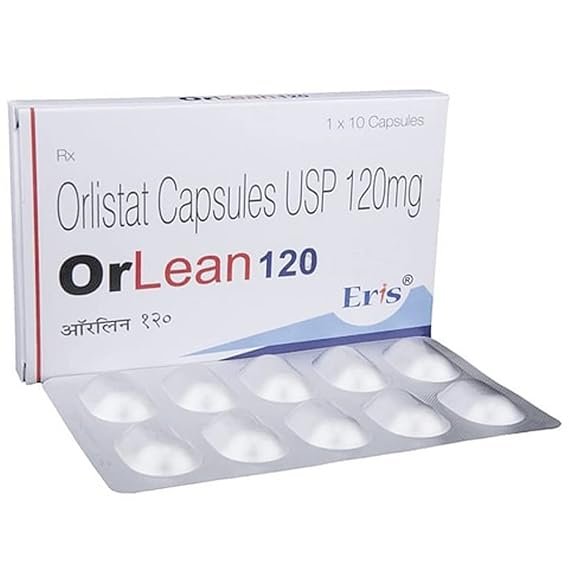
2.1 Orlistat (Xenical, Orlean, Obelit, Slimtrim)
- Mechanism: Orlistat blocks the absorption of dietary fat in the intestines by inhibiting pancreatic lipase enzymes. About 30% of ingested fat is excreted instead of absorbed.
- Cost in India:
- Generic versions: ₹600–1,200/month
- Branded (Xenical, Obelit): ₹1,500–2,500/month
- Benefits:
- Produces 3–5% weight loss in 3–6 months.
- Helps reduce cholesterol and improve blood sugar in diabetics.
- Side Effects:
- Oily stools, abdominal cramping, diarrhea, flatulence.
- Risk of vitamin A, D, E, and K deficiency.
- Verdict: Orlistat is the most affordable anti-obesity drug in India, but side effects limit long-term use.
2.2 Liraglutide (Saxenda, Victoza – off-label in India)
- Mechanism: Liraglutide is a GLP-1 receptor agonist. It reduces appetite, slows gastric emptying, and improves insulin sensitivity.
- Cost in India: ₹20,000–25,000/month (pen injections).
- Benefits:
- Produces 8–10% body weight loss in 12 months (SCALE trial, NEJM 2015).
- Improves blood sugar, reduces cardiovascular risk in diabetics.
- Side Effects:
- Nausea, vomiting, diarrhea.
- Risk of gallstones and pancreatitis.
- Expensive and requires daily injections.
- Verdict: Effective but out of reach for most Indian patients due to cost.
2.3 Semaglutide (Ozempic for diabetes, Wegovy for obesity)
- Mechanism: A newer GLP-1 receptor agonist, more potent than liraglutide.
- Cost in India: Not widely available yet; estimated ₹25,000+/month once launched.
- Benefits:
- 10–15% body weight loss in 1 year (STEP 1 trial, NEJM 2021).
- Strong appetite suppression and improved metabolic profile.
- Side Effects:
- GI upset, thyroid concerns, gallbladder issues.
- Verdict: Considered a “game changer” globally, but still not affordable or widely available in India.

2.4 Phentermine + Topiramate (Qsymia – not approved in India)
- Mechanism: Combination of an appetite suppressant (phentermine) and an anticonvulsant (topiramate).
- Cost: In the US ~₹7,000–9,000/month equivalent. Not approved in India.
- Benefits: Produces 8–10% weight loss.
- Side Effects: Increased heart rate, mood changes, teratogenic effects.
- Verdict: Not available in India due to safety concerns.
2.5 Herbal & Ayurvedic Weight Loss Supplements in India
Popular options:
- Garcinia Cambogia
- Green Tea Extract
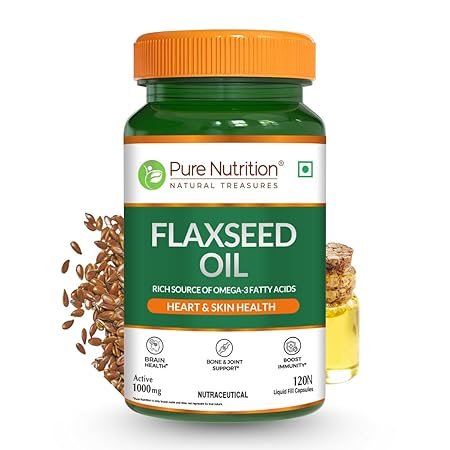
- Fenugreek & Flaxseed capsules
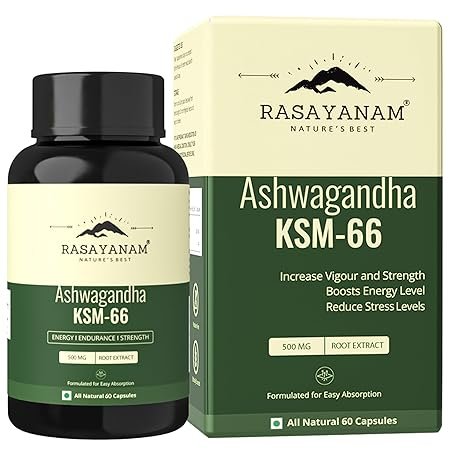
- Triphala, Guggul, Ashwagandha
- Benefits: Marketed as natural fat burners; some studies show mild benefits.
- Limitations: Evidence is inconsistent; effects are modest.

3. Cost vs. Benefit Analysis of Anti-Obesity Drugs in India
| Drug | Avg. Cost/Month (₹) | Weight Loss (%) | Major Side Effects | Affordability |
| Orlistat | (₹) | 3–5% | GI issues, vitamin loss | Affordable |
| Liraglutide | (₹) | 8–10% | GI upset, pancreatitis | Expensive |
| Semaglutide | (₹) | 10–15% | Thyroid/GI risks | Very Expensive |
| Phentermine+Top. | N/A (not approved) | 8–10% | Heart/mood risks | Not Available |
Takeaway:
- For middle-class Indian patients, Orlistat is the only affordable anti-obesity medicine.
- GLP-1 receptor drugs (liraglutide, semaglutide) are effective but unaffordable.
- Herbal supplements are cheaper but less evidence-based.
5. Who Should Take Anti-Obesity Drugs in India?
Doctors may prescribe weight loss drugs if:
- BMI ≥30 (obese).
- BMI ≥27 + comorbidities (diabetes, hypertension, PCOS, fatty liver).
- Tried diet & exercise for at least 6 months without significant results.
⚠️ Not recommended for:
- Cosmetic weight loss.
- Pregnant or breastfeeding women.
- Patients with history of eating disorders.
6. Alternatives to Anti-Obesity Drugs
- Lifestyle Modification: Balanced diet, daily exercise, 7–8 hours of sleep, stress control.
- Bariatric Surgery in India:
- Cost: ₹2–5 lakhs.
- Produces 20–30% weight loss.
- Best for morbid obesity.
- Ayurveda & Yoga: Weight management through natural herbs, detox therapies, and yoga practices.
FAQs on Anti-Obesity Drugs in India
Q1. Are anti-obesity drugs safe for long-term use?
Only some, like Orlistat, may be used long-term under supervision. GLP-1 drugs show sustained benefits but need continuous monitoring.
Q2. Which is the cheapest anti-obesity drug in India?
Orlistat is the most affordable and widely available option.
Q3. Can I buy weight loss tablets in India without prescription?
Orlistat (low dose) is available over the counter, but most require a doctor’s prescription.
Q4. Do herbal weight loss supplements really work?
Some may help, but clinical evidence is limited. They should not replace medical treatment.
Q5. Is surgery better than medicines?
For severe obesity, bariatric surgery is more effective than medicines but is invasive and costly.
Conclusion
Ultimately, weight loss medicines should not be seen as magic pills. They work best when combined with dietary changes, exercise, and behavioral support. Consultation with a healthcare professional is essential before starting any treatment.