
Introduction
Sleep is the body’s natural way of restoring energy and repairing itself. But for millions of people worldwide, quality sleep is disrupted by a hidden condition known as sleep apnea. This disorder causes repeated pauses in breathing while you sleep, often without you even realizing it.
Sleep apnea is not just about loud snoring—it can seriously impact your health, productivity, and quality of life. Left untreated, it increases the risk of heart disease, stroke, diabetes, and memory problems.
What is Sleep Apnea?
Sleep apnea is a sleep disorder where breathing stops and starts repeatedly during sleep. These pauses, called “apneas,” can last from a few seconds to a minute and may occur dozens to hundreds of times per night.
Types of Sleep Apnea
- Obstructive Sleep Apnea (OSA)
- The most common type.
- Occurs when throat muscles relax too much and block the airway.
- Central Sleep Apnea (CSA)
- A neurological issue where the brain fails to send proper signals to breathing muscles.
- Complex Sleep Apnea Syndrome (Mixed Apnea)
- A combination of OSA and CSA.
Common Symptoms of Sleep Apnea
Many people with sleep apnea don’t know they have it. Often, a partner notices the symptoms first. Here are the most common signs:
- Loud Snoring – Often the first noticeable symptom.
- Interrupted Breathing During Sleep – Gasping, choking, or long pauses in breathing.
- Morning Headaches & Fatigue – Due to oxygen dips during the night.
- Daytime Drowsiness – Trouble staying awake, especially in meetings, driving, or reading.
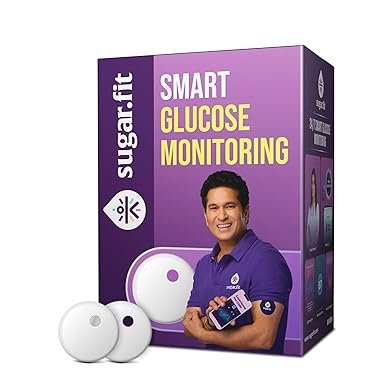
Tip: A sleep tracker or smart wearable can help monitor breathing, heart rate, and oxygen levels while you sleep

Causes & Risk Factors
Not everyone develops sleep apnea, but certain factors increase the risk.
- Obesity & Lifestyle
Excess body weight, especially around the neck, can narrow the airway. - Smoking & Alcohol
Both relax throat muscles and increase inflammation. - Age & Gender
More common in men and older adults. - Family History
Genetics may play a role in airway structure. - Sleeping Position
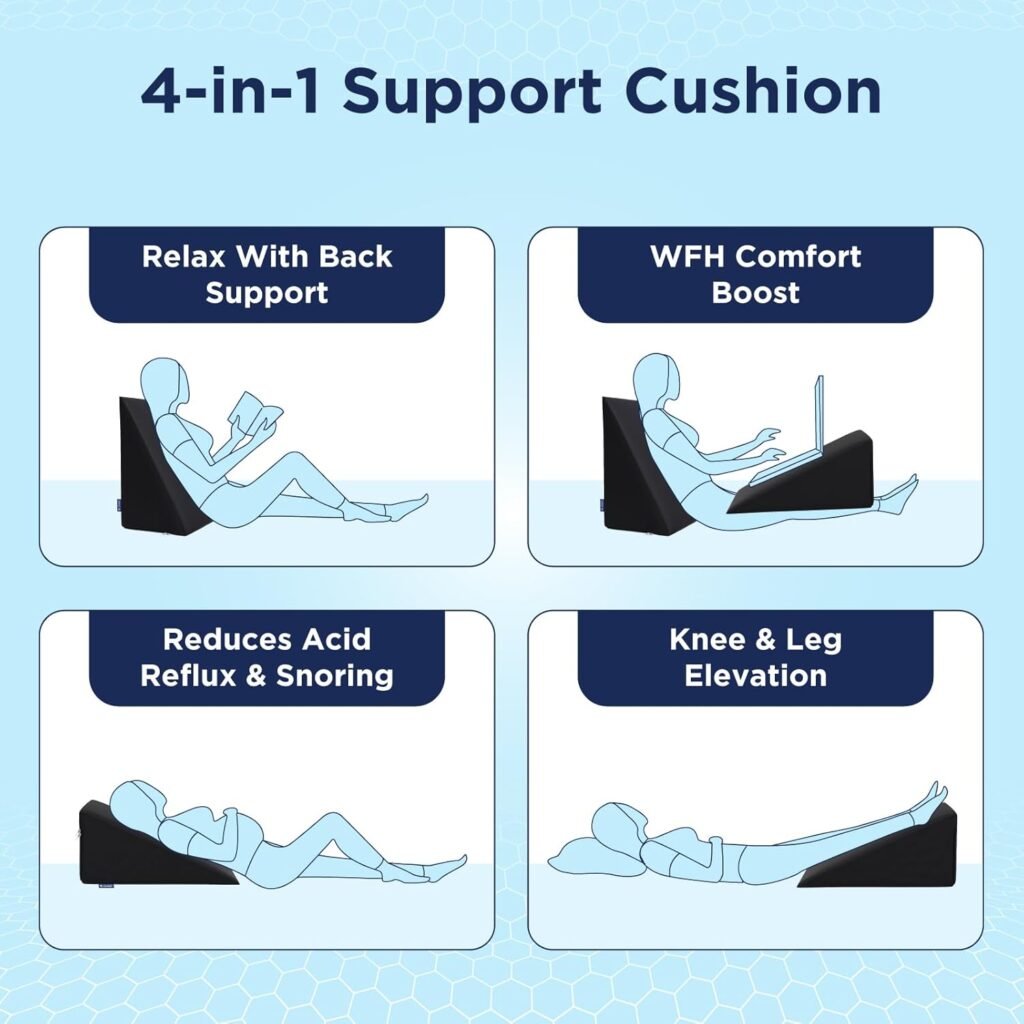
Sleeping on the back can worsen apnea due to gravity pulling the tongue and tissues downward.
Health Risks of Untreated Sleep Apnea
Sleep apnea is more than an annoyance—it is a serious health hazard if ignored.
Cognitive Impairment: Memory loss, poor concentration, and increased risk of dementia.
Hypertension (High Blood Pressure): Frequent drops in oxygen trigger stress hormones that raise blood pressure.
Heart Disease & Stroke: Sleep apnea strains the heart, increasing risk of irregular heartbeat, heart attack, and stroke.
Diabetes Risk: Poor sleep disrupts insulin regulation, raising blood sugar levels.
Diagnosis & When to See a Doctor
If you suspect sleep apnea, it’s important to seek medical help.
- Sleep Study (Polysomnography):
Conducted in a lab where sensors monitor breathing, oxygen, heart rate, and brain activity. - At-Home Sleep Tests:
Portable devices track breathing and oxygen overnight. - Medical Consultation:
Doctors may recommend lifestyle changes, CPAP therapy, or surgery in severe cases.
Lifestyle Changes & Supportive Products
While medical treatment is essential, supportive lifestyle changes and sleep products can improve comfort and outcomes.
- CPAP Machines & Masks – Gold standard for moderate to severe OSA.
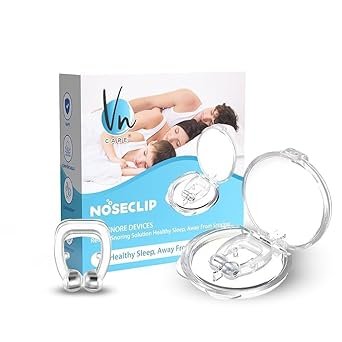
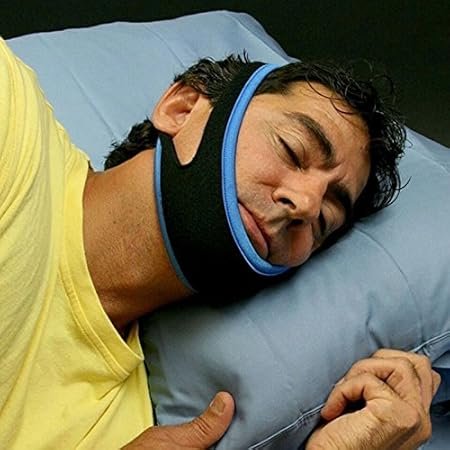
- Anti-Snoring Devices – Mouthguards, chin straps, nasal dilators.
- Specialized Sleep Pillows – Designed to keep airways open.
- Sleep Trackers & Smart Devices – Monitor oxygen, heart rate, and snoring.
- Humidifiers & Air Purifiers – Improve breathing comfort
CPAP Machines & Masks
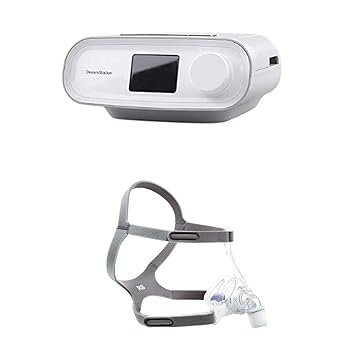
Why it helps: CPAP (Continuous Positive Airway Pressure) is the most effective treatment for moderate to severe obstructive sleep apnea. It keeps your airway open by gently blowing air through a mask.
- Clinically proven to reduce apneas
Improves energy, focus, and heart health
Widely recommended by doctors
- Can feel uncomfortable at first
Needs regular cleaning and maintenance
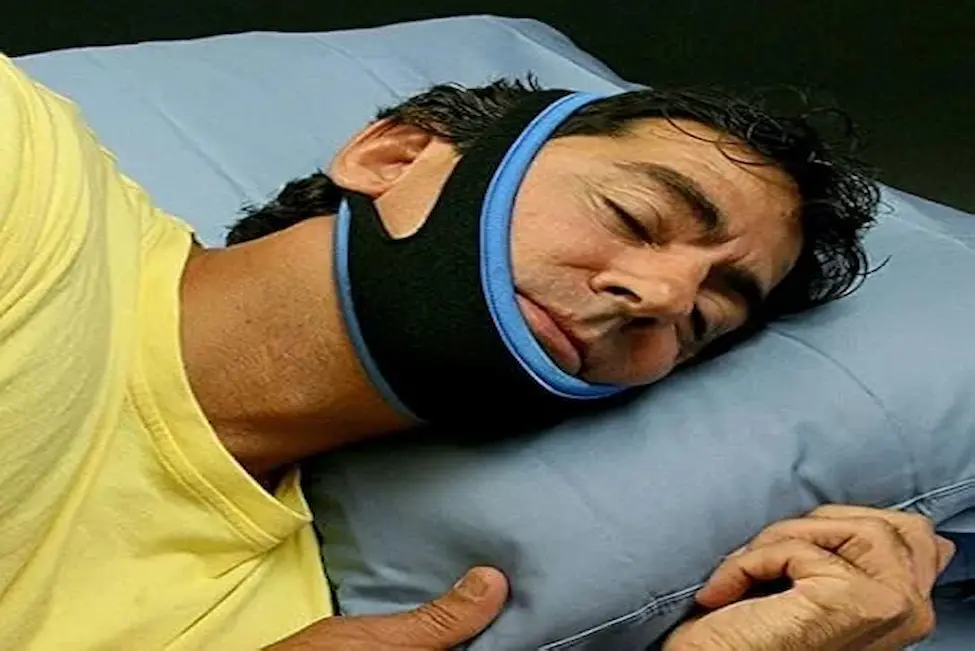
Anti-Snoring Mouthpieces & Chin Straps
Why it helps: These devices reposition the jaw or tongue to prevent airway collapse during sleep. Great for people with mild sleep apnea or heavy snoring.
- Affordable and easy to use
No electricity or setup needed
Travel-friendly
- May cause jaw discomfort initially
Not effective for severe apnea
FAQs
1. Can sleep apnea go away on its own?
No, sleep apnea rarely goes away without treatment. Weight loss and lifestyle changes may reduce symptoms, but medical consultation is necessary.
2. Is snoring always a sign of sleep apnea?
Not always, but frequent loud snoring with pauses in breathing is a strong warning sign.
3. Can children have sleep apnea?
Yes, especially if they have enlarged tonsils, obesity, or certain medical conditions.
4. What is the best sleeping position for sleep apnea?
Sleeping on your side is generally recommended to keep the airway open.
5. Are there natural remedies for sleep apnea?
Lifestyle changes like weight loss, quitting smoking, reducing alcohol, and improving sleep hygiene can help, but medical guidance is essential.