
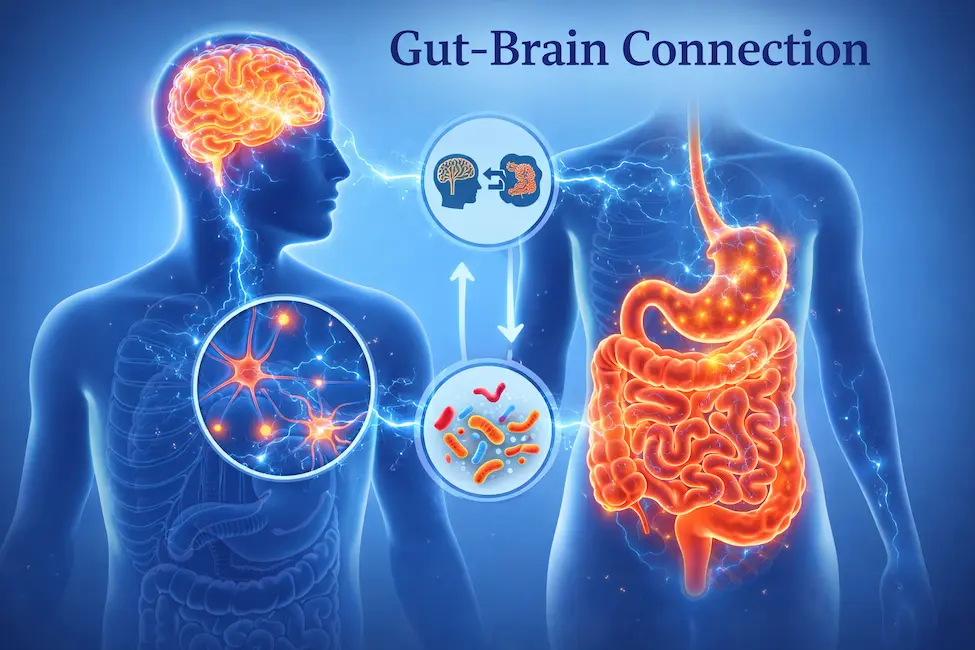
Digestion is most likely the first thing that springs to mind when you hear the phrase “gut.” However, did you know that your gut is frequently referred to as your “second brain”? The gut-brain connection is a potent relationship between the gut and the brain that scientists have found. Your mood, cognition, sleep patterns, and even your susceptibility to certain diseases are all impacted by this link, in addition to how you digest food.
In this article, we’ll explore:
- What the gut-brain connection is
- How gut bacteria affect your mental and physical health
- The role of diet, stress, and lifestyle in gut health
- Simple tips to support a healthy gut for a healthier mind
What Is the Gut-Brain Connection?
Through a sophisticated communication mechanism called the gut-brain axis, the gut and the brain are continuously “talking” to one another. This includes:
The longest nerve in the body, the vagus nerve, runs from your brain to your digestive system.
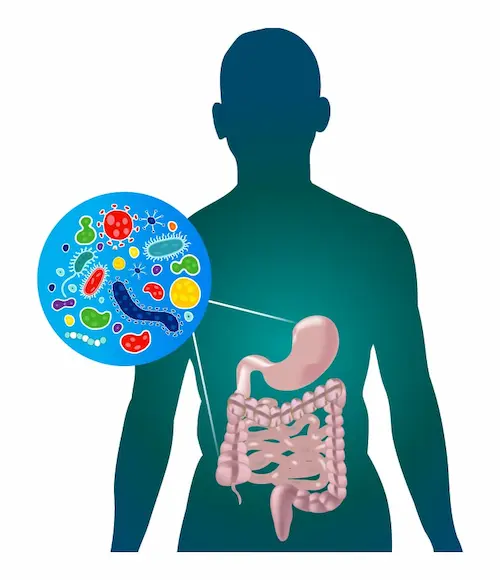
Your intestines are home to trillions of bacteria, fungus, and other microorganisms known as the gut microbiome.
Hormones and neurotransmitters are substances that impact mood and digestion, such as dopamine and serotonin.
Remarkably, around 90% of serotonin,the “feel-good” hormone, is made in your gut—not your brain! That explains why gut health can influence
The Role of Gut Microbiome
There are around 100 trillion microorganisms in your stomach. Although many of these microscopic bacteria are vital to your health, they are not dangerous. They assist with:
Breaking down of food and fiber
Making vitamins (such as B12 and K) in favor of immunity
Controlling inflammation
When the ratio of thesee microbes gets disturbed (a condition called dysbiosis), it can lead to digestive problems, weakened immunity, and even mental health issues.
How Gut Health Affects the Brain
Research has shown that an unhealthy gut can trigger signals that affect the central nervous system, leading to mood and cognitive changes. Here are some key ways the gut impacts the brain:
1. Mood and Mental Health
Poor gut health has been linked to anxiety, depression, and stress. Studies suggest that people with mood disorders often have imbalances in their gut microbiome.
2. Sleep Quality
The gut helps regulate melatonin, the hormone responsible for sleep. An unhealthy gut can disrupt sleep patterns, leading to fatigue and brain fog.
3. Memory and Learning
Emerging studies show a connection between gut health and conditions like Alzheimer’s disease and Parkinson’s disease. While more research is needed, the gut appears to influence cognitive decline.
4. Stress Response
When you’re stressed, your brain signals your gut, often causing symptoms like bloating, diarrhea, or stomach cramps. Similarly, an unhealthy gut can worsen stress levels, creating a vicious cycle.
What Harms Gut Health?
Several lifestyle and dietary factors can disturb your gut microbiome:
- High-sugar diets – feed harmful bacteria.
- Processed foods – lack fiber and essential nutrients.
- Chronic stress – alters gut bacteria balance.
- Antibiotic overuse – kills good bacteria along with bad.
- Lack of sleep – disrupts gut rhythm.
Foods That Support a Healthy Gut-Brain Axis
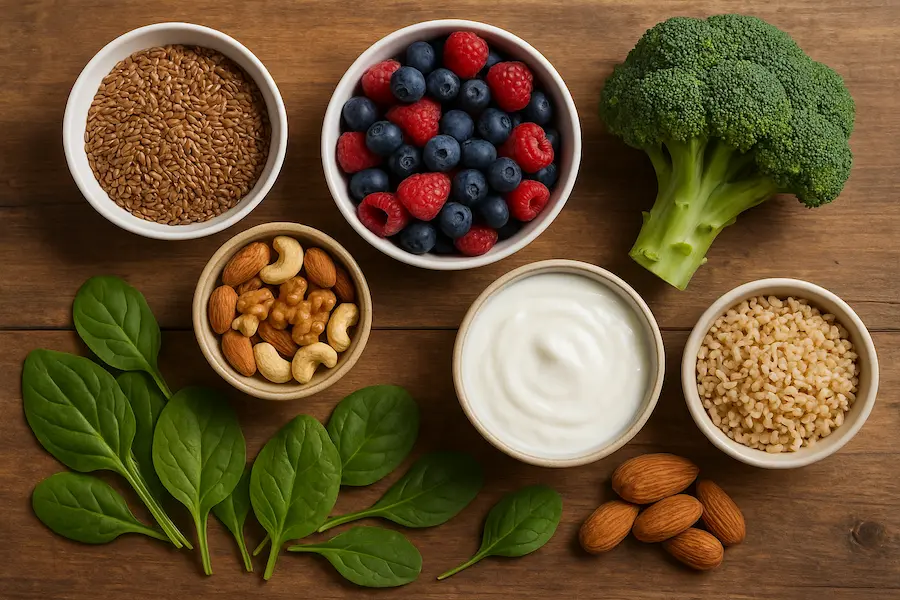
Eating the right foods can help restore and maintain gut health. Here are some gut-friendly superfoods:
- Probiotics (yogurt, kefir, kimchi, sauerkraut) – add good bacteria.
- Prebiotics (bananas, garlic, onions, oats) – feed good bacteria.
- Fiber-rich foods (fruits, vegetables, legumes, whole grains) – promote digestion.
- Omega-3 rich foods (salmon, chia seeds, walnuts) – reduce inflammation.
- Polyphenols (green tea, berries, dark chocolate) – boost beneficial microbes.
Lifestyle Habits for a Healthy Gut-Brain Connection
Apart from diet, lifestyle changes can also improve your gut health:
- Manage Stress – practice yoga, meditation, or deep breathing.
- Exercise Regularly – movement supports gut microbial diversity.
- Sleep Well – aim for 7–8 hours of quality sleep.
- Stay Hydrated – water aids digestion and nutrient absorption.
- Limit Antibiotics – use only when prescribed by a doctor.
FAQ
Q1. What is the gut-brain connection?
The gut-brain connection is the two-way communication between your digestive system and your brain, involving nerves, hormones, and gut bacteria.
Q2. How does gut health affect mental health?
An imbalanced gut microbiome can influence neurotransmitter production and inflammation, leading to anxiety, depression, and stress.
Q3. What foods are best for gut health?
Probiotics (yogurt, kefir), prebiotics (garlic, bananas), fiber-rich foods, omega-3s, and polyphenol-rich foods like berries and green tea are excellent for gut health.
Q4. Can stress harm the gut?
Yes, chronic stress can disrupt gut bacteria and worsen digestive issues, which in turn may affect mood and mental health.
Q5. How can I naturally improve my gut health?
Eat a balanced diet, manage stress, exercise, sleep well, stay hydrated, and avoid unnecessary antibiotics.