
Introduction
The International Day of Clean Air for Blue Skies is observed every year on September 7, reminding the world that clean air is essential for human health, environment, and climate balance. Established by the United Nations (UN) in 2019, the day highlights the urgent need to tackle air pollution, which remains one of the biggest global health threats.
Why This Day Matters
Air pollution is often called a silent killer. According to the World Health Organization (WHO), nearly 7 million premature deaths occur annually due to polluted air. It contributes to:
- Respiratory diseases like asthma and COPD.
- Heart problems including hypertension and stroke.
- Cancers and neurological disorders.
- Pregnancy complications such as low birth weight.
Children, the elderly, and people with chronic illnesses are the most vulnerable.
Sources of Air Pollution
Pollution comes from both outdoor and indoor sources:
- Outdoor: vehicle emissions, industrial waste, construction dust, and fossil fuel burning.
- Indoor: use of biomass fuels, tobacco smoke, and poor ventilation.
This mix of pollutants makes clean air a global challenge.
International Day of Clean Air 2025 Theme
Each year, the UN and UNEP announce a theme to guide awareness and action. For 2025, the theme (fictional placeholder—update when official) could be “Clean Air, Healthy Future”, emphasizing the strong link between air quality and sustainable development.
Global Efforts
Countries worldwide are taking steps such as:
- Stricter emission standards for vehicles and industries.
- Investment in renewable energy like solar and wind.
- Promotion of electric mobility and sustainable urban transport.
- Public awareness campaigns and air quality monitoring systems.
International organizations like UNEP and WHO play a vital role in supporting these initiatives.
Air Pollution and Climate Change
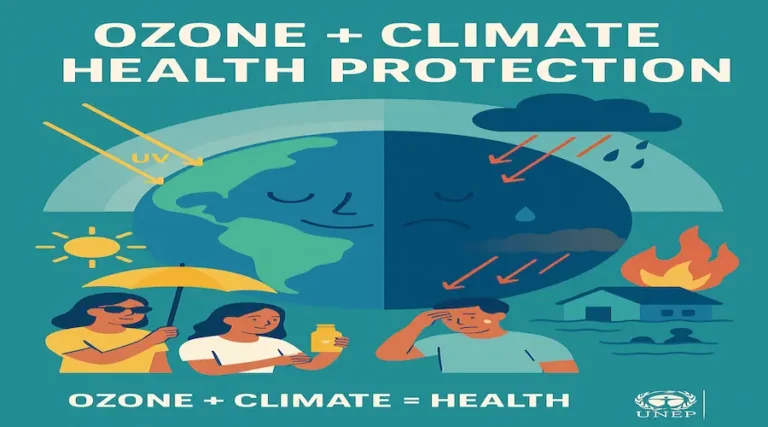
Air pollution and climate change are closely linked. Pollutants like black carbon and methane not only harm human health but also accelerate global warming. Reducing air pollution is therefore a double win—it improves health while fighting climate change.
What Individuals Can Do
Every person can make a difference by:
- Using public transport, cycling, or carpooling.
- Planting trees and supporting green spaces.
- Conserving energy and switching to clean fuels.
- Avoiding open waste burning and reducing household smoke.
Even small lifestyle changes contribute to cleaner skies.
Conclusion
The International Day of Clean Air 2025 is a global reminder that clean air is a basic human right. Tackling air pollution requires collective effort from governments, communities, and individuals. By making conscious choices, we can secure a healthier, more sustainable future.
FAQs
Q1: When is the International Day of Clean Air celebrated?
It is observed every year on September 7.
Q2: Why is it important?
Because air pollution affects health, climate, and sustainable development worldwide.
Q3: What is the theme for 2025?
“Clean Air, Healthy Future.”
Q4: How can individuals help?
By reducing car use, avoiding waste burning, conserving energy, and planting trees.