
Introduction
In today’s busy world, many people sacrifice sleep for work, study, or entertainment. However, this choice has long-term health consequences. Sleep health means more than just hours spent in bed—it reflects the quality, consistency, and restfulness of your sleep. Research shows that poor sleep increases the risk of obesity, diabetes, heart disease, and mental health issues (Hirshkowitz et al., 2015).
This article explores the importance of sleep health, warning signs of poor sleep, common disorders, and natural tips to improve sleep quality.

Why Sleep Health Matters
Sleep is essential for physical and mental recovery. During sleep, the body performs critical functions such as:
- Immune system regulation – Sleep strengthens defense against infections (Bryant et al., 2004).
- Cell and tissue repair – Muscles recover from daily stress.
- Brain processing – Memories are consolidated, and learning is enhanced (Diekelmann & Born, 2010).
- Hormonal balance – Sleep regulates appetite, stress, and growth hormones.
The Centers for Disease Control and Prevention (CDC) recommends 7–9 hours of quality sleep for adults. Poor sleep over time can contribute to chronic illness and reduced quality of life (CDC, 2022).
Signs of Poor Sleep Health
You might be experiencing poor sleep health if you notice:
- Difficulty falling asleep.
- Frequent awakenings during the night.
- Feeling unrefreshed despite enough sleep.
- Daytime fatigue or drowsiness.
- Mood swings, anxiety, or irritability.
- Trouble focusing or remembering.
Persistent symptoms like these suggest you may need lifestyle changes or medical support.
Common Sleep Disorders
Several disorders directly affect sleep health:
1. Insomnia
Difficulty falling asleep or staying asleep, often linked to stress, poor habits, or medical conditions (American Academy of Sleep Medicine, 2014).
2. Sleep Apnea
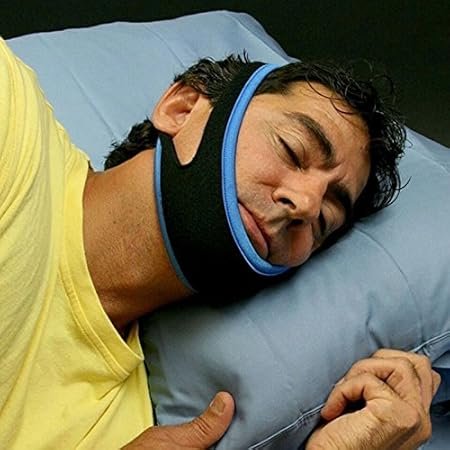
Characterized by pauses in breathing during sleep, often accompanied by loud snoring and daytime fatigue. Untreated sleep apnea raises risks of hypertension and heart disease (Somers et al., 2008).
3. Restless Legs Syndrome (RLS)
An uncontrollable urge to move the legs at night, causing disrupted sleep.
4. Narcolepsy
A neurological disorder that causes sudden daytime sleep episodes and affects quality of life.

How Poor Sleep Affects Your Health
Chronic poor sleep affects nearly every system in the body:
- Obesity – Short sleep is linked to hormonal imbalance that increases appetite (Taheri et al., 2004).
- Diabetes – Sleep loss reduces insulin sensitivity (Spiegel et al., 1999).
- Heart Disease – Poor sleep contributes to high blood pressure and cardiovascular risk (Cappuccio et al., 2011).
- Mental Health Issues – Sleep deprivation is strongly associated with depression and anxiety (Baglioni et al., 2016).
- Weakened Immunity – Even one night of inadequate sleep reduces immune function (Bryant et al., 2004).
Tips for Better Sleep Health (Sleep Hygiene)
Good sleep hygiene improves both the quality and duration of rest:
✅ Stick to a consistent sleep schedule.
✅ Develop a relaxing bedtime routine like reading or meditation.
✅ Limit caffeine and alcohol intake, especially at night.
✅ Reduce screen time—blue light suppresses melatonin production (Harvard Health, 2020).
✅ Create a comfortable bedroom environment: cool, dark, and quiet.
✅ Exercise regularly but avoid late-night workouts.

Nutrition and Sleep
Foods That Improve Sleep
- Almonds and Walnuts – High in magnesium and melatonin.
- Bananas – Provide potassium and tryptophan.
- Chamomile Tea – A natural relaxant with antioxidants (Zick et al., 2011).
- Warm Milk – Contains calcium and tryptophan for better sleep.
Foods That Disrupt Sleep
- Coffee, tea, and other caffeinated drinks.
- Heavy or spicy meals close to bedtime.
- Alcohol (disturbs sleep cycle).
Natural Sleep Aids & Lifestyle Changes
Before turning to sleeping pills, consider these natural options:
- Yoga and Meditation – Reduce stress and calm the mind.
- Aromatherapy – Lavender oil has mild sedative effects (Lewith et al., 2005).
- Herbal Remedies – Chamomile and valerian root may promote relaxation.
- Digital Detox – Avoid electronics at least one hour before bed.
These methods are safe and effective alternatives to medication
When to See a Doctor
- Experience chronic insomnia (lasting more than three weeks).
- Have loud snoring with breathing pauses.
- Feel excessive sleepiness despite enough rest.
Conclusion
Sleep is a powerful tool for health, productivity, and happiness. By prioritizing sleep health, you protect your body from chronic diseases and improve mental clarity. Following simple sleep hygiene tips, making small dietary changes, and trying natural remedies can restore balance.
If problems persist, don’t ignore them—get professional help. Remember: Healthy sleep = Healthy life.